A-State engineer secures $177,000 NSF grant for waste energy project
Assistant Professor Chiqian Zhang will lead a two-year study to improve methane production from sewage sludge using alkaline thermal pretreatment.
By Fiona Wallace ·
Arkansas State University has secured a $177,108 grant from the National Science Foundation to enhance the efficiency of waste-to-energy systems. The funding supports a two-year research initiative led by Dr. Chiqian Zhang, an assistant professor of civil engineering. The project runs from July 1, 2026, through June 30, 2028.
The initiative aims to address limitations in current anaerobic digestion processes. Anaerobic digestion uses microorganisms to convert organic waste into methane, a renewable energy source. However, sewage sludge contains high levels of sulfur. During digestion, this sulfur forms volatile compounds that lower methane output, cause odors, and corrode treatment equipment.
Zhang plans to test a new pretreatment method that combines heat and calcium oxide to mitigate these sulfur compounds before digestion begins. The approach seeks to increase renewable methane production and extend the lifespan of wastewater infrastructure.
Zhang learned of the award through a notification from the NSF Early Researcher Initiative program. He described his reaction as a mix of excitement and disbelief.
"I felt a mixture of excitement, relief, and a little disbelief," Zhang said. "The research plan is ambitious, and receiving the award means that all of the ideas and tasks I put on paper now have to become real experiments and real results. So, after the initial thought of, 'Wow, I actually got it' came the next thought: 'Well, now I have all of the hard work to do.'"
Dr. Travis Marsico, vice provost for research, innovation and discovery, noted the university's pride in supporting applied research. "We are so proud of and excited for Dr. Zhang to be funded to conduct this important, applied research that can improve how we process our waste," Marsico said.
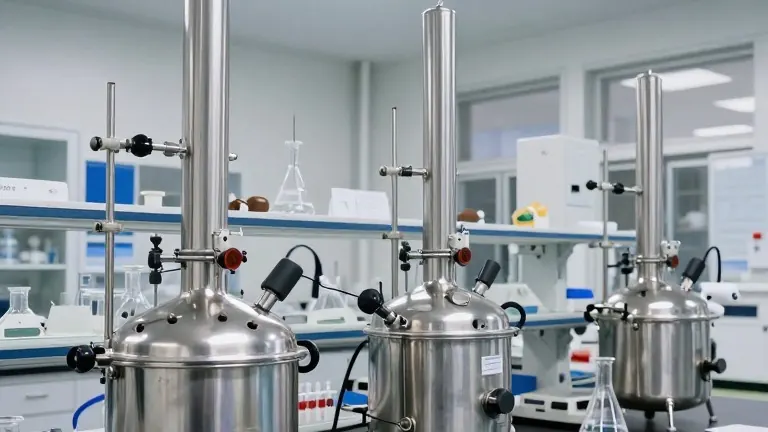
The study will involve laboratory reactor experiments, chemical analyses, microbial studies, and predictive modeling. Findings will inform the design of more efficient anaerobic digestion systems for municipal wastewater plants. The project also includes a training component for students in environmental engineering and laboratory analysis.
Source: Talk Business & Politics · original report published
More News · Little Rock news · Report a business · Got a Story?