GM and Ford Face $2 Billion Cost Hikes From Tariffs and Diesel
Rising prices for steel, copper, and computer chips are eroding profits for Detroit automakers, even as truck sales remain strong.
By Jacob Reynolds ·
General Motors and Ford each forecast that rising material and logistics costs will reduce their annual earnings by approximately $2 billion.
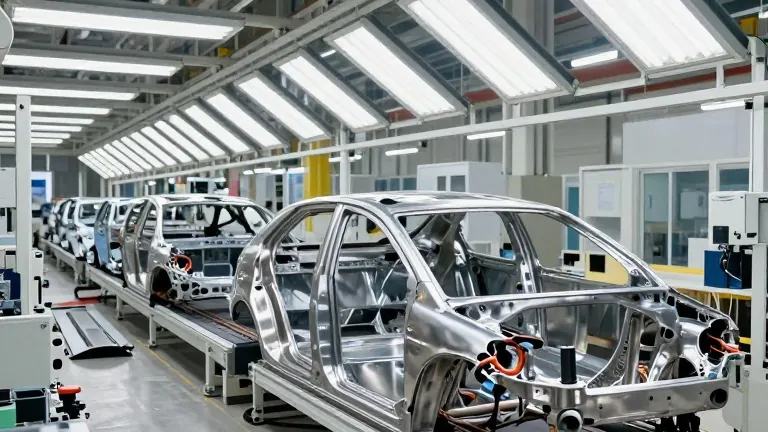
The cost pressures stem from tariffs on imported steel, aluminum, and copper, combined with higher prices for computer memory chips and diesel fuel. These inputs are essential for vehicle frames, wiring, and the transport of parts across North American supply chains. The tariffs, implemented by the Trump administration in 2025, have increased the price of raw materials while diesel prices hover near record highs.
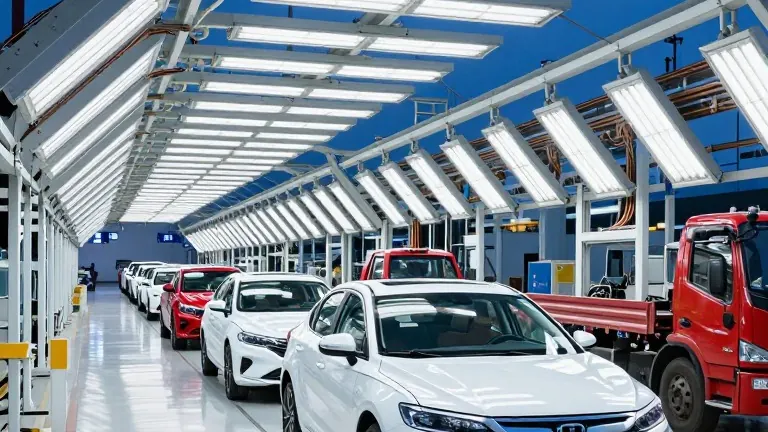
In the past year, the U.S. auto market has seen a surge in demand for large trucks and light-duty vehicles. General Motors reported a 9% increase in light-duty truck sales, while Stellantis saw U.S. pickup sales rise by 34%. Ford’s F-Series continues to lead its product lineup. These sales figures helped drive revenue increases for the major manufacturers, with GM revenue up 2.9%, Ford up 2%, and Stellantis up 1% year over year.
Despite strong sales, the average new vehicle transaction price reached just over $50,000 in September, nearing a record high. Consumers are paying more for high-end trims and larger vehicles, which are more profitable for manufacturers. Sherry Ann House, Ford’s chief financial officer, noted that customers have remained resilient despite higher fuel prices and interest rates. However, the rising cost of goods sold is challenging profit margins as the companies prepare for the next fiscal year.
Paul Jacobson, GM’s chief financial officer, stated that the company is also paying about $2.5 billion in tariff costs, a figure lower than earlier forecasts due to refunds. Ford CEO Jim Farley confirmed a similar headwind of $2 billion from commodities, memory, and logistics costs. Stellantis executives indicated they will provide more detailed cost information in the fourth quarter. The industry faces additional disruption from the end of the $7,500 federal electric vehicle tax credit, which expired on September 30, 2025.
EV sales dropped nationally after the tax credit ended, though the market has since stabilized. EVs now represent about 6% of new car sales in the U.S. Hybrid sales have risen by 27% over the past year as shoppers seek fuel efficiency. Tesla has reclaimed a majority of the U.S. EV market, capturing almost 52% of new EV sales. CEO Elon Musk hinted at a potential merger between Tesla and SpaceX, stating that special committees at both companies are discussing the idea.
GM plans to right-size its EV capacity to align with current demand, while Ford will make its Fathom electric truck available for pre-order in early 2027 at a price under $30,000. Analysts expect Detroit automakers to offer more hybrid vehicles in the coming years as the transition to fully electric vehicles slows. The industry is adjusting its production plans to match consumer preferences for higher-margin gas and hybrid models.
Source: WUSF Public Media
More Business · Customer Complaints · Report a business · Got a Story?