Northeast Arkansas leaders push voters to approve Issue 3 for local development
The NEA Intermodal Authority argues the ballot measure provides financing tools to retain $223 million in annual retail spending that currently leaves the region.
By Ana Salazar ·
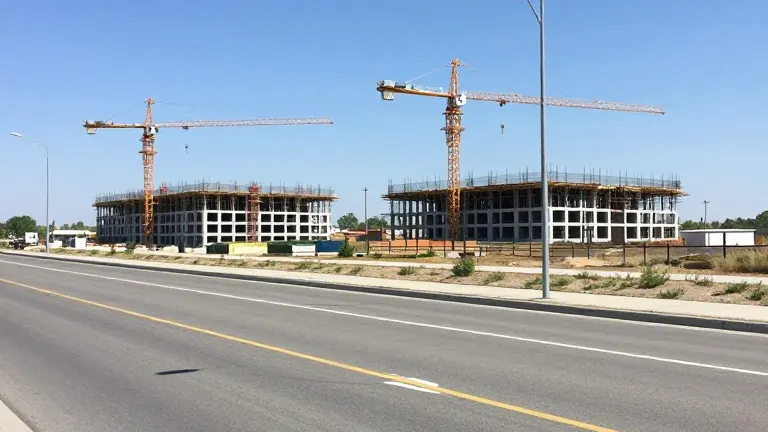
Northeast Arkansas leaders are urging voters to approve Issue 3 this November, a ballot measure that would allow local governments to create economic development districts. The proposal aims to give cities and counties new financing tools to attract retail, housing, and restaurant investments. The Northeast Arkansas Regional Intermodal Authority, or NEA Intermodal, is leading the push for the amendment. Its executive director, Graycen Bigger, says the region needs more flexibility to compete with neighboring states.
The authority adopted its second strategic plan in 2025. During that process, staff asked community members about their priorities. Residents did not ask for more jobs. They asked for more restaurants, retail stores, housing, and family amenities. They wanted conveniences that would make their communities better places to live. Bigger says the group heard these requests clearly.
Since 2020, NEA Intermodal has helped secure more than $76 million in private investment. That effort supported the creation of more than 1,100 jobs in the four-county region. The organization notes that this work is not finished. It seeks to build on that economic progress by focusing on quality of life projects.
The region loses an estimated $223 million in retail spending every year. Residents travel to other communities to shop, dine, and buy goods. A large portion of that spending goes to communities across the state line. Bigger says Arkansas communities are at a disadvantage because they lack certain economic development tools. Forty-eight states have comparable tools, including every state that borders Arkansas. This allows neighboring communities to offer options that Arkansas cities and counties do not have.
Issue 3 would allow local governments to establish economic development districts. These districts could use additional financing tools to encourage development. The amendment would not raise taxes. Developers would have to make upfront investments and meet performance goals before receiving reimbursements. The reimbursements would come from new revenue generated directly by the project. Communities could negotiate incentives tied to specific investment results rather than handing out checks without conditions.
Implementing legislation and local agreements would set the specific financing arrangements. These agreements would also define accountability requirements and safeguards. Bigger says transparency and public accountability are central to the process. The tools would be flexible to meet different community needs. A housing development in one town might look different from a downtown revitalization effort in another.
Bigger acknowledges that Issue 3 will not solve every challenge in rural Arkansas. It will not guarantee that a developer chooses a specific community. It also does not ensure that every project succeeds. The region will still need strong leadership, responsible planning, infrastructure investment, and partnerships. The ballot measure offers one more tool to help communities pursue their stated priorities.
The authority is asking neighbors across Arkansas to vote yes on Issue 3. Bigger says the communities deserve the same opportunity to compete as other states. The goal is to pursue the future that residents have described for their towns and families.
Source: Talk Business & Politics · original report published
More Politics · Little Rock news · Report a business · Got a Story?