Borrowers lose eligibility for loan relief after government reverses expanded rules
A lawsuit argues the Department of Education is illegally ignoring a 2025 policy change that allowed thousands to erase debts after sudden school closures.
By Ana Salazar ·
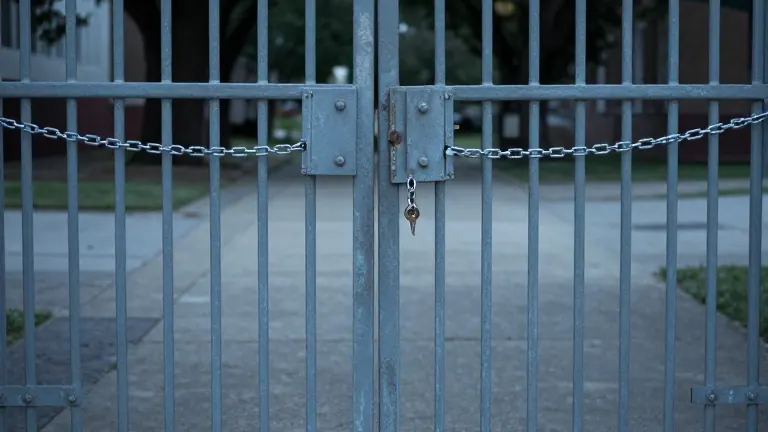
Kendrick Gaussoin has carried nearly $22,000 in student loan debt for a decade without a degree. His mother, Christine Gaussoin, owes approximately $28,000 from Parent PLUS loans taken out to cover his tuition. Both borrowers recently had their applications for closed school discharge denied by the Department of Education, despite a policy update that should have made them eligible.
The denials stem from the abrupt closure of Brooks Institute, a private for-profit college in Ventura, California. The school shut down in August 2016 after its parent company abandoned the institution. Gaussoin was on an eight-month leave of absence in December 2015 when the doors were chained. Under traditional federal rules, borrowers must have been enrolled or left within six months of a closure to qualify for relief. Gaussoin’s absence placed him outside that window.
That status changed in early 2025. On Jan. 6, 2025, then-Undersecretary James Kvaal issued an order expanding the look-back period for borrowers at several closed schools, including Brooks. The order stated that schools closed under exceptional circumstances justified broader eligibility. Under this rule, anyone enrolled as of May 6, 2015, could receive a discharge and a refund of past payments.
Gaussoin applied for the discharge on Aug. 23, 2026. A week later, on Aug. 31, the Department of Education rejected the request. The denial letter cited the traditional pre-Biden requirements, effectively ignoring the expanded window established just eight months earlier. In a statement, Department spokesperson Ellen Keast called the previous administration’s move an inappropriate expansion of the discharge period.
Student Defense, a nonprofit borrower advocacy group, filed a lawsuit against the department in federal court on Wednesday. The suit claims the current administration is illegally refusing to follow the program's rules. Attorneys for the group argue that the 2025 changes were made within the secretary's legal authority and cannot be quietly abandoned. Multiple higher education attorneys noted that reversing such changes requires a reasoned legal explanation shared with the public, which the department has not provided.
This stance contrasts with the first Trump administration, which used the same authority to expand eligibility for borrowers from the Art Institute of Colorado and the Illinois Institute of Art. Education Secretary Betsy DeVos cited exceptional circumstances in 2019 to make those students whole. Bonnie Latreille, a former top official in the Federal Student Aid office, says the current department’s refusal to process discharges under the new rules raises legal flags.
Latreille, who worked during the administration transition, said a top official instructed staff not to process closed school discharges using the expanded window without approval from the incoming team. Two other former department officials confirmed this hold. The department has not responded to requests for its specific legal justification for ignoring the 2025 order.
The closure of Brooks left thousands of borrowers in limbo. According to a Government Accountability Office review, more than 1,100 colleges closed between 2010 and 2020, leaving 246,000 borrowers eligible for discharge. Gaussoin and his mother continue to work in retail and online retail, respectively, while managing debt that the government now says is not theirs to erase.
Source: WUWF