Oregon Mail Ballots: The Mechanics of Vote Verification
Election staff in Linn County and across the state use manual counts, offline software, and strict storage rules to process over 3.1 million mailed ballots.
By Ana Salazar ·
The process for handling a mailed ballot in Oregon is a multi-stage procedure that relies on physical verification and offline technology.
Since 2000, the state has conducted all elections via mail, a system initiated by a 1981 pilot program in Linn County. That initial test run for a school levy saw turnout exceed 75%, a jump of nearly 20 percentage points over the previous primary. Today, more than 3.1 million voters receive ballots by mail and have access to approximately 300 dropboxes statewide.
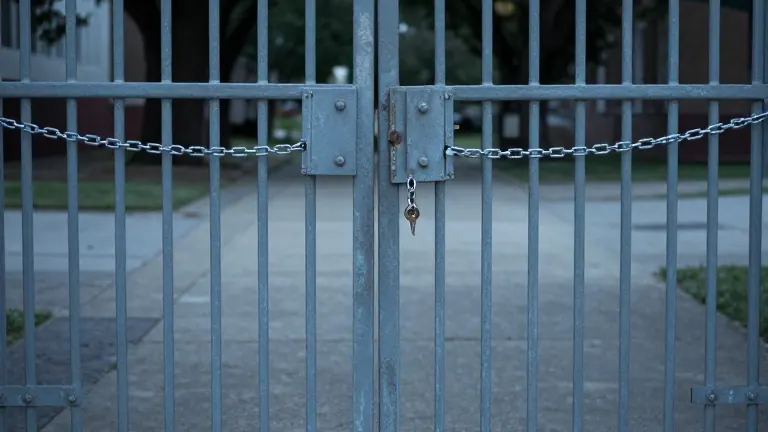
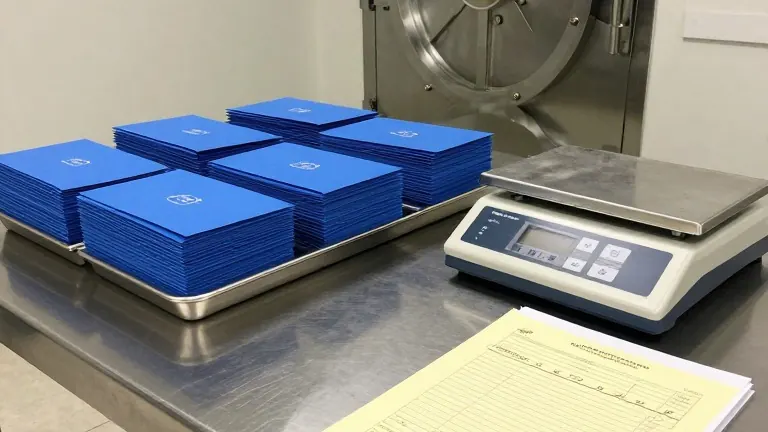
The physical collection of ballots begins with election workers who visit dropboxes, typically twice a day in urban areas and once daily in rural locations. Workers carry affidavits identifying them and the collection date. Each dropbox is secured with a chain and often contains a fire suppression system. Ballots are placed in locked bags that only the collecting worker can open. Upon arrival at the county clerk’s office, such as the one in Albany along the Willamette River waterfront, staff sort ballots into trays. Each tray is paired with a yellow auditing form that tracks the count and notes any anomalies, such as missing signatures.
Marcie Richey, the Linn County Clerk, has overseen these operations since 1993. She stated that she prefers vote-by-mail over polling place elections because it reduces the errors associated with training inexperienced poll workers. The county, known as the "Grass Seed Capital of the World," has a registered voter base that is mostly nonaffiliated or Republican. Richey noted that duplicate ballots are uncommon but can occur when elderly voters forget they have already cast a ballot and request a replacement.
The verification phase involves scanning the signature on each blue envelope and comparing it to the voter’s registration record. Staff review each signature on a monitor. If a mismatch occurs, the ballot is referred to election officials. If the signature is deemed invalid, the clerk’s office mails a notice to the voter and requests a new signature. Voters enrolled in the BallotTrax system also receive alerts in these cases. Ballots that pass verification are processed by an extraction machine that separates the ballot from the envelope.
Following extraction, staff perform a manual count. One person counts the blue envelopes while another counts the ballots separately. Both write their totals silently and compare them only after finishing. Once the count is verified, the batch moves to a holding room. The ballots are later processed through tally machines running software called Clear Ballot. These machines and their rooms are fully disconnected from the internet to prevent digital interference.
After tallying, ballots are stored in a vault. Oregon law requires clerks to keep ballots for 90 days after the final deadline for contesting an election. A March 2026 executive order from the Trump administration requests that states store ballots for five years for general elections and two years for special district elections. This order is currently facing several lawsuits, with Oregon serving as a plaintiff in one of them.
Security measures in clerk offices include cameras at every ballot location, thick mesh glass windows, and motion sensors that alert the clerk and local law enforcement after hours. Until results are certified, even custodial staff are barred from ballot storage rooms. According to a 2020 study by the state’s Legislative Fiscal Office, there were only 38 criminal convictions for voter fraud out of 61 million ballots cast between 2000 and 2019, a rate of 0.00006%.
Counties can begin tallying before the 8 p.m. deadline on November 3, but they cannot release results until after that time. Clerks store verified results on a private flash drive to send to the Oregon Secretary of State. All 36 counties follow the same procedures outlined in the state’s vote-by-mail manual.
Source: Portland Tribune