Google slashes Pixel 11 Pro price to $799 for November sales
The flagship model drops by $300 through November 8, undercutting previous Prime Day pricing by $50.
By Jacob Reynolds ·
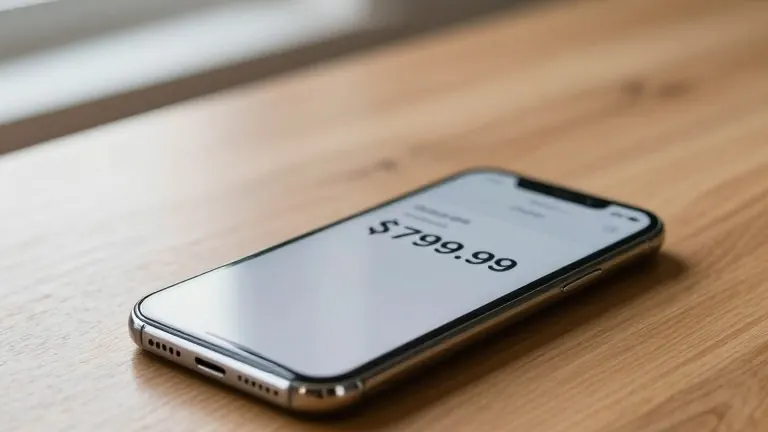
Google is offering its Pixel 11 Pro for $799.99 through November 8, a $300 reduction from the original launch price of $1,099.99. This discount makes the 256GB storage and 12GB RAM model available for $50 less than its price during the October Prime Day event.
The deal applies across the Google Store, Amazon, and Best Buy. The Pixel 11 Pro currently costs $100 less than the base Pixel 11 model did when it first went on sale. The company’s top-tier phone includes exclusive software features such as HiLight, which the source notes were not previously worth a premium price point.
The standard Pixel 11 also sees a price drop, falling to $699.99. This $200 reduction matches the current cost of the iPhone 17E, a price that followed Apple’s September adjustment. The base Pixel 11 retains 12GB of RAM and features 25W wireless charging, an upgrade from the 15W speed found in the Pixel 10.
Buyers of the base model gain access to this year’s exclusive Google software tools, including Magic Capture, Camera Looks, and Proactive Assistance. These features are specific to the current generation of Pixel devices.
Trade-in values are also contributing to the lower effective cost for upgrading customers. A base Pixel 9 Pro with 128GB of storage currently commands $530 in credit at the Google Store. Best Buy offers a slightly lower figure of $525 for the same device.
The Pixel 11 Pro XL, which features a larger battery, is also discounted by hundreds of dollars from its original price. The source suggests that the current Pro price is unlikely to drop further during Black Friday, making the November 8 deadline the best window for savings.
The price cut positions the Pixel 11 Pro as the most attractive option in the lineup for those prioritizing camera performance. The discount brings the flagship phone within $10 of the base Pixel 11, effectively closing the gap between the two models for consumers who want advanced imaging capabilities.
Source: The Verge