Texas Governor Flip Threatens 13 Gigawatts of AI Infrastructure
Voter approval of 38 data center restrictions nationwide coincides with a new Texas administration poised to pause major projects.
By Jacob Reynolds ·
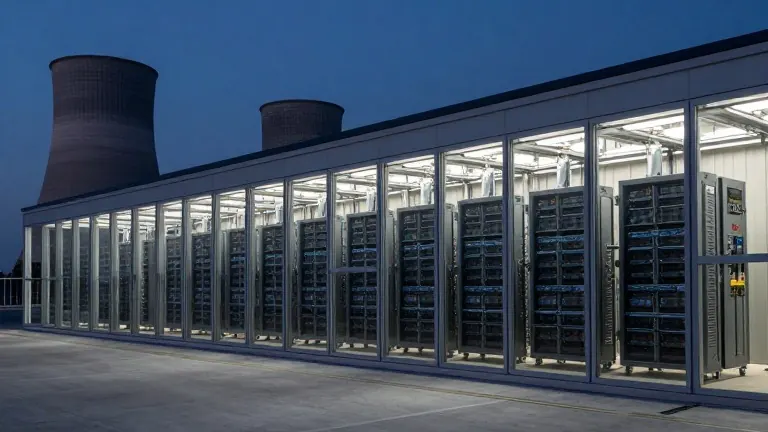
The American data center expansion faces a tangible financial headwind following Tuesday's elections. Voters across ten states approved measures to restrict new facility construction while electing officials committed to tighter oversight in key production hubs.
Redbud Consulting tracked 44 ballot initiatives specifically targeting data center growth. Thirty-eight of those measures passed, establishing new moratoriums or bans. The one successful proposal to allow continued development, located in North Dakota, mandated independent reviews and public hearings for future expansions.
Market analysts indicate these new rules will primarily affect projects scheduled for 2028. Facilities already under construction or approved through 2027 are expected to proceed with minimal disruption. The regulatory shift forces developers to recalibrate their capital allocation for the next two to three years.
The most substantial impact stems from the gubernatorial race in Texas. Democratic challenger Gina Hinojosa defeated the incumbent, a result that Bloomberg described as the worst-case scenario for industry developers. Texas is projected to account for more than 41 percent of all added data center capacity in the United States by 2028.
Hinojosa has stated she will delay projects until the state legislature passes laws addressing water usage, electricity costs, air quality, and property rights. This pause exposes approximately 13 gigawatts of planned capacity to regulatory risk. Some developers may relocate projects to Louisiana or Georgia, while others may abandon them entirely.
Gordon Johnson of GLJ Research noted in a recent report that projects with secured power and state environmental permits will continue. Those with power but lacking permits face delays of 12 to 18 months. Johnson added that Hinojosa would likely impose a temporary moratorium to protect utility bills and end tax incentives.
Libby Cantrill, head of public policy at PIMCO, warned that the buildout will slow regardless of the final legislative outcome. She expects developers to spend more time securing approvals and make larger concessions to local communities as a condition for moving forward.
Source: Ars Technica
More Business · Customer Complaints · Report a business · Got a Story?