WA Police Scan 1.4 Million Faces in Five-Month Trial, Making 122 Arrests
The real-time facial recognition pilot concluded Saturday after 100 deployments across 43 locations, with advocates questioning the reported error rate.
By Jacob Reynolds ·
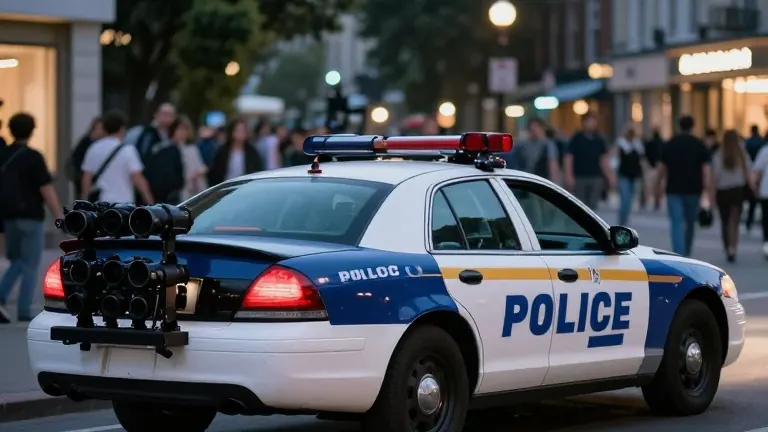
Western Australian police concluded a five-month trial of real-time facial recognition technology on Saturday, having scanned 1,380,882 faces across 43 regional and metropolitan locations. The operation resulted in 122 arrests, nine incorrect alerts, and 146 engagements with registered sex offenders. Officers also located 10 individuals for welfare checks during the 100 deployments.
Police Commissioner Col Blanch addressed the results at a media conference on Sunday. He emphasized that the nine false matches represented a 0.00065% error rate against the total scan volume. Blanch stated that officers engaged with each individual who triggered a false alert, asking relevant questions. He noted that no one was arrested based on those nine errors and no complaints were filed.
"No one was arrested. No one made a complaint. Each one did result in an interaction with that person and asking them relevant questions," Blanch said. He added that while the error count was not zero, the engagement process mirrored standard police procedures when a member of the public raises suspicions about a potential suspect.
The trial included three operations at the Perth Royal Show, where 223,749 faces were scanned. These specific deployments generated 15 alerts, leading to three arrests and seven interactions with registered sex offenders. Blanch described the trial as a focus on using modern technology responsibly to identify people presenting a risk while allowing the majority of the public to proceed without impact.
Civil liberties advocates have challenged the police framing of the error rate. Bill Rowlings, chief executive of Civil Liberties Australia, argued that the 0.00065% figure was misleading. He suggested the true error rate depends on how many of the 122 arrested individuals are eventually convicted. Rowlings stated in a statement that police conducted the scans with no reasonable suspicion and that the incorrect rate will only be known after court outcomes are determined.
The Office of the Information Commissioner WA, the state’s independent privacy watchdog, was not involved in implementing the trial. The agency previously warned of collective privacy harms. Surveillance vans, which mounted cameras in designated public areas, have been removed from deployment. Police are now conducting an internal evaluation to review safeguards and community impacts. The system matched faces against police databases and deleted images of those not on the alert list immediately.
The trial guidelines specified that cameras were positioned on or near marked police vehicles. Experts had previously raised concerns about algorithmic bias, noting that facial recognition technology often has higher false-match rates for people with darker skin tones. The force is currently reviewing whether all requirements were met during the pilot program.
Source: The Guardian