
Why gout hurts so much and who is most at risk
New details on uric acid crystals explain the intense pain of gout and link the condition to heart health risks for men and postmenopausal women.
By Jacob Reynolds ·
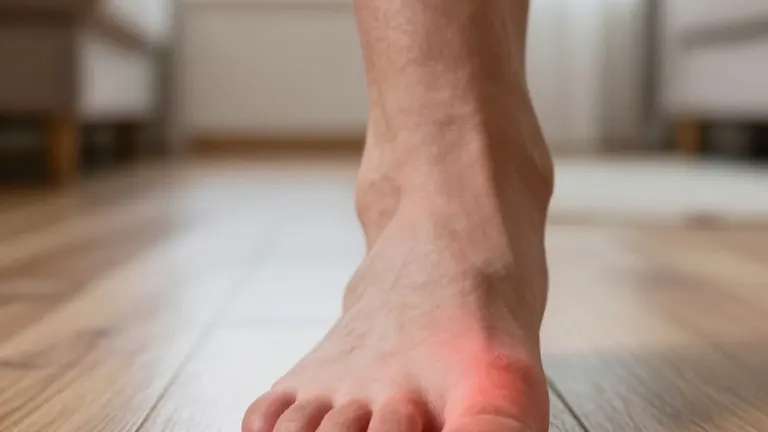
A sharp pain in the big toe that makes walking impossible is often the first sign of gout. The condition involves uric acid crystals forming in the joints, triggering a violent immune response that leaves patients in severe agony. While many people recognize the swollen, red joint, the underlying mechanics reveal why the pain is so intense and why the disease affects certain groups more than others.
Dr. Rhea Rogers, a board-certified physician, explains that gout begins when uric acid builds up in the blood. These crystals settle in joints and tissues, prompting the body to attack them as if they were foreign invaders. The Centers for Disease Control and Prevention describes gout as a painful type of arthritis that typically targets a single joint at a time. This specific presentation, known as podagra, is the most common form of the disease.
The physical sensation is distinct. Gerontologist Sam Cradduck, whose daughter has suffered from gout twice, describes the feeling as similar to a shard of glass inside the foot. Cradduck noted that even the proximity to her daughter’s foot caused her pain, highlighting the severity of the condition. However, Cradduck clarified that the crystal itself is not the direct cause of the suffering. She stated that it is the immune system attacking the crystal that produces the pain.
Rogers agreed with this assessment, noting that the body treats the crystal as a foreign object. This inflammatory response is what makes gout so debilitating. Beyond the immediate joint pain, Rogers warned that a buildup of uric acid can indicate deeper health issues. She described it as a signal for underlying metabolic disease, noting that many patients with gout also struggle with insulin resistance, diabetes, or cardiovascular problems.
The connection to heart health is specific. Rogers explained that uric acid lowers nitric oxide, a substance that helps arteries relax. This reduction contributes to atherosclerosis, or the hardening of arteries. Because this is the same mechanism involved in heart disease, recognizing gout early is important for overall health management.
Gender plays a major role in who develops gout. Men are more likely to suffer from the condition because they lack the protective effects of estradiol. Rogers explained that premenopausal women have higher levels of this hormone, which offers protection. Men produce some estradiol through the conversion of testosterone, but levels are lower. As men age, testosterone levels drop and visceral fat increases, raising the risk of gout.
For women, the risk profile changes after menopause. Rogers stated that when estradiol levels drop, the gap between men and women closes. This means postmenopausal women face a higher likelihood of developing gout. Historical links to rich foods and alcohol have led to gout being called the disease of kings, but modern experts point to broader lifestyle factors.
Aging well coach Katherine Ambrose and aging expert Amy O'Rourke both emphasized the role of diet and lifestyle. O'Rourke noted that men often delay seeking treatment compared to women. She advised women to nudge their male partners or brothers to see a doctor if symptoms appear. Dietary choices matter, particularly the intake of sugary foods and drinks. Rogers explained that fructose can push insulin levels high, which helps the body hold onto uric acid.
Treatment options vary. Some doctors prescribe allopurinol to lower uric acid levels. Rogers also mentioned natural alternatives, such as a combination of vitamin C, quercetin, and luteolin, which can help lower uric acid naturally. Patients should consult their healthcare providers for personalized advice. The Alliance for Gout Awareness provides further information for those seeking to understand the condition better.
Source: WOWT