Florida Voters Face $12 Billion Tax Cut That Could Gut Local Services
Amendment 3 would exempt up to $250,000 of home value from property taxes, threatening revenue for police, fire, and infrastructure in a state without an income tax.
By Jacob Reynolds ·
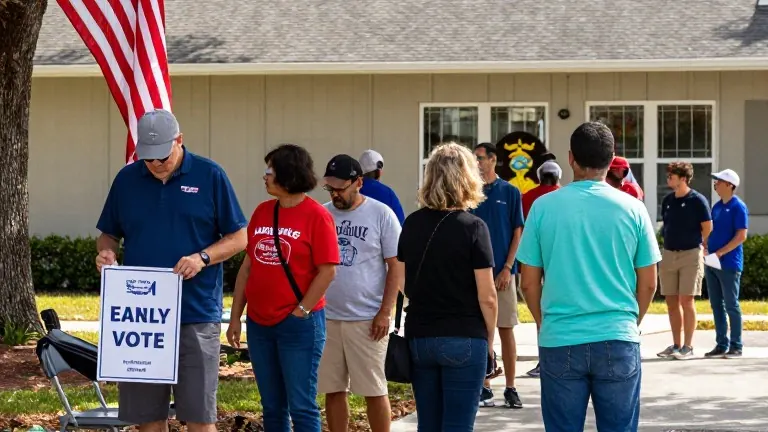
Florida voters will decide on Election Day whether to slash billions in local government revenue to lower property taxes for homeowners. Amendment 3, a ballot measure, proposes increasing the homestead tax exemption from $50,000 to as much as $250,000 over the next two years. If approved, some local jurisdictions could eliminate all non-school property taxes on primary residences. The state’s Office of Economic and Demographic Research estimates the move would cut local revenue by nearly $12 billion on a recurring basis.
The proposal pits homeowners seeking relief against residents who rely on public services funded by those taxes. Florida lacks individual income and estate taxes, making property taxes a primary revenue source for city and county budgets. Jacksonville’s chief administrative officer, Mike Weinstein, a Republican, warned that the city could lose up to $372 million over the next five years. With a $2 billion budget, half of which comes from property taxes, funds for mosquito control, road maintenance, libraries, and parks face reduction.
Supporters argue the tax cut is necessary to counter high costs of living. Margy Grant, CEO of Florida Realtors, stated that homeowners have funded record revenue growth for local governments due to rising property values. Grant said the measure ensures residents can stay in their homes rather than moving out of state. The Florida Realtors group spent $19.5 million on its campaign by the end of October. Governor Ron DeSantis also backs the measure, asserting that local governments have excess revenue.
Critics counter that the tax cut will force cuts to emergency services and infrastructure. Steven Johnson, an organizer with Florida Rising, asked residents to consider who benefits from the change. He noted that renters and business owners will see no direct savings. Rachel Dues, a 54-year-old notary and disabled veteran, described the vote as existential for her household. She relies on food pantries and utility assistance programs that may lose funding. Dues pushed her injured niece to the polls, calling the effort necessary to make her voice heard.
Local officials are divided on how they will handle the potential revenue loss. Some insist police and fire departments can absorb the cuts, while the Florida Sheriffs Association warned of dire consequences. Weinstein said the city might have to open a large complaints department to handle requests for services it can no longer fund. Sen. Rick Scott, a Republican, posted on X that every county has waste to cut, implying the amendment will force efficiency rather than service reductions.
The measure requires a supermajority of 60 percent to pass. Early voting is underway, and volunteers are making phone calls to persuade voters. Maggie Fernandez, 68, a homeowner, is campaigning against the amendment despite potentially benefiting from it. She said the tax relief would hurt neighbors who are less affluent. Fernandez made 111 calls in one night urging voters to consider the long-term impact on local services.
Property tax revenue in Florida nearly doubled from $32 billion in 2019 to almost $60 billion in the last fiscal year. Experts attribute this growth to a post-pandemic real estate boom driven by out-of-state buyers and low interest rates. Dues, who works as a closing agent, sees the high costs of homeownership firsthand. She told neighbors that the affordability promised by Amendment 3 is a short-term fix that could lead to higher costs elsewhere if local governments shift the financial burden to other taxes or reduce essential programs.
Source: WWNO