King Charles faces slavery justice tests
The monarch's nine-day Caribbean tour coincides with a legal petition from Jamaica and a regional push for reparations.
By Fiona Wallace ·
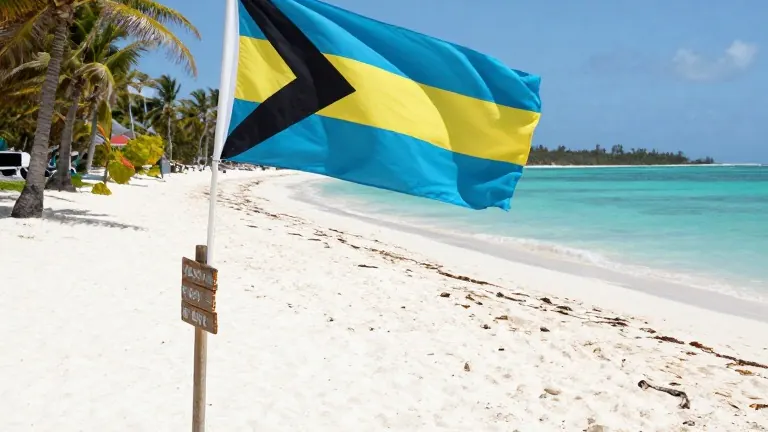
King Charles III arrived in the Bahamas on October 27, 2026, beginning a nine-day tour that includes stops in Guyana and Antigua and Barbuda. The visit occurs as Caribbean nations intensify demands for reparations and scrutinize the British monarchy's historical role in the Atlantic slave trade.
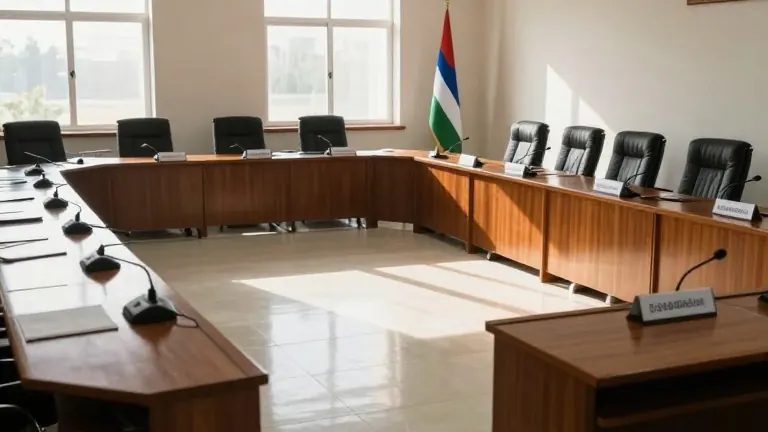
The tour is scheduled to culminate at the Commonwealth Heads of Government Meeting in Antigua and Barbuda from November 1 to 4, 2026. This gathering brings together 56 member states, the majority of which were formerly part of the British Empire. Leaders plan to use the meeting to press for sustained engagement with a 19-point reparations plan agreed upon by the African Union and CARICOM in June.
Buckingham Palace set expectations before the trip began. The Palace stated that the king would not formally apologize for slavery on behalf of the British government. It reiterated that the legacies of colonialism and slavery are primarily matters for governments to address. King Charles acknowledged the great suffering of the past during his arrival remarks but stopped short of issuing a formal royal apology.
The debate centers on whether the monarchy is a passive participant in the slave system. Recent historical research documents that the monarchy invested in transatlantic slaving voyages as early as 1563 under Elizabeth I. Successive monarchs granted monopoly charters to slave-trading companies and provided Royal Navy vessels to protect slaving ships. The Crown also profited from customs revenue derived from enslaved labor and endorsed colonial laws that classified enslaved people as property.
Financial records from the 1834 abolition of slavery show the British state compensated enslavers with approximately $26.6 million, equivalent to about $4.5 billion today. Formerly enslaved people received no restitution for stolen labor or family separation. These financial decisions shaped patterns of land ownership and economic dependency that persist in Caribbean societies.
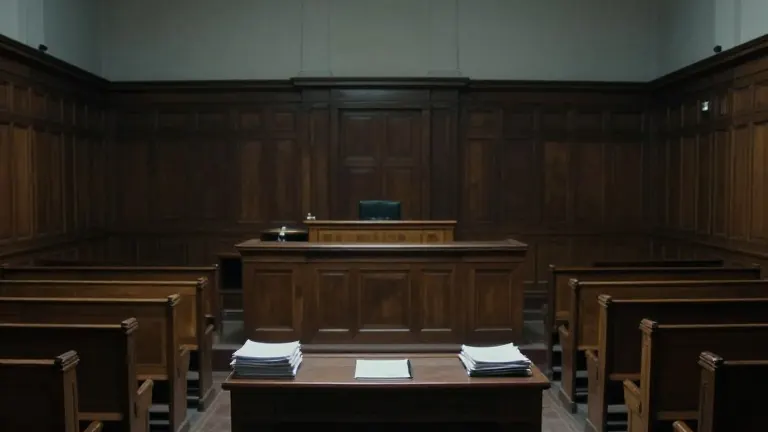
Legal action has moved alongside diplomatic pressure. In September 2026, Jamaica submitted a petition asking Charles, as Britain's head of state, to refer questions about the legality of slavery to the Judicial Committee of the Privy Council. This is the first time a Commonwealth realm has sought a legal determination on Britain's trafficking and enslavement of Africans. On September 22, the king referred the petition to the Privy Council, which has set a preliminary hearing for March 2027.
The referral creates a legal pathway for issues long resisted by the British government. However, reparations activists argue that the procedural step is insufficient without substantive action. The United Nations declared slavery the gravest crime against humanity in March 2026, adding international weight to the regional claims.
Constitutional discussions are accelerating in the region. Since Barbados removed the British monarch as head of state in 2021, Jamaica, the Bahamas, and Antigua and Barbuda have reconsidered their own arrangements. Shirley Botchwey, the Commonwealth's secretary-general, stated that the time has come for the king to apologize for slavery and discuss reparations. Proponents of republicanism argue that a distant head of state who does not engage with historical significance fails to meet the standards of democratic accountability.
The upcoming Commonwealth meeting will test the organization's commitment to equality. CARICOM leaders aim to push for a formal acknowledgment of the monarchy's institutional role in colonialism. The British government maintains that an apology and reparations are off the table, leaving the monarch's symbolic influence as the primary lever for change during the visit.
Source: Greenwich Time