
Tech Hedge: Investors Lock In Gains Amid $1 Trillion Sell-off
Friday's market drop triggered a rush for put options and credit-default swaps as major AI firms continued raising billions.
By Ana Salazar ·
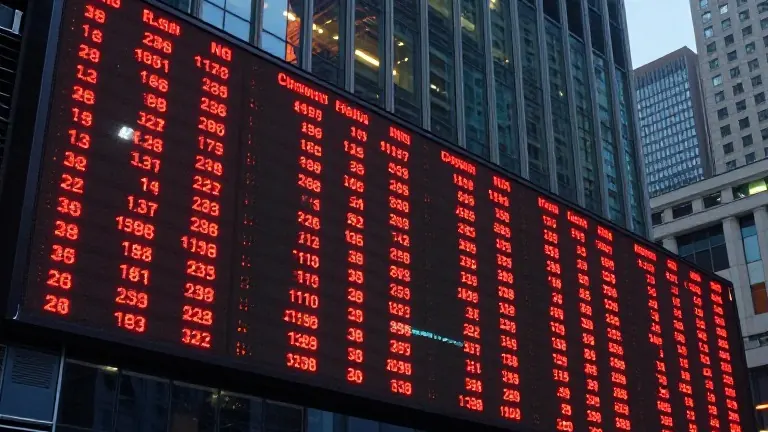
More than $1 trillion in market value evaporated from technology stocks on Friday. The Nasdaq 100 index fell 3.4%, while the S&P 500 dropped 1.8%. The S&P 500 technology sector suffered the steepest losses, declining more than 4.2%, according to data reported by NBC News.
Wall Street Journal reporting published on Saturday indicates a shift in strategy among investors. Rather than chasing further growth, many are purchasing financial instruments to protect existing wealth. Stephen Solaka, a senior vice president at Gateway Investment Advisers, stated that demand for downside protection is very high. He noted that some investors have made enough money that they are quitting to hedge their stock positions.
Put options are one primary tool being used. These contracts give shareholders the right to sell shares at a set price by a specific date. This mechanism limits losses if stock prices fall sharply, though it requires paying a premium. Data from Cboe Global Markets shows that trading in put options for CoreWeave, an AI cloud infrastructure company, reached record levels in October.
Credit-default swaps are seeing similar activity. These contracts protect against borrowers failing to repay debt. Eugene Grinberg, co-founder of bond data provider Solve, observed that the cost of insuring against defaults for Amazon, Alphabet, Microsoft, Meta, and Oracle rose to its highest level since 2021 over the past month. Grinberg said there were no exceptions, suggesting broad market concern about the sector rather than issues at individual companies.
AI companies continue to seek massive capital to fund infrastructure, even as stock prices fall. Rising borrowing costs for data center projects and chip purchases have heightened concerns about the sector's financial outlook. Jump Trading has begun offering contracts that allow companies to protect against a collapse in the price of computing power. For instance, companies renting out Nvidia chips can use these contracts to lock in a minimum rental price.
Many of today's technology shareholders are not betting on a market collapse, but seeking to protect gains accumulated during the AI boom. Some companies restrict employee trades during this period. The rush for protection follows a period of massive bets on the sector's potential to transform the global economy.
Solaka added that the current activity is driven by a desire to secure wealth rather than speculate on a crash. The market remains focused on how AI infrastructure spending will affect future earnings. Investors are positioning their portfolios to withstand further volatility in the coming months.
Source: The Jerusalem Post
More Business · Customer Complaints · Report a business · Got a Story?