Maine Lobstermen Face Rising Costs and Political Tension Ahead of Midterms
Diesel prices have doubled and Canadian trade disputes have raised stakes for the $461 million industry in a tight Senate race.
By Fiona Wallace ·
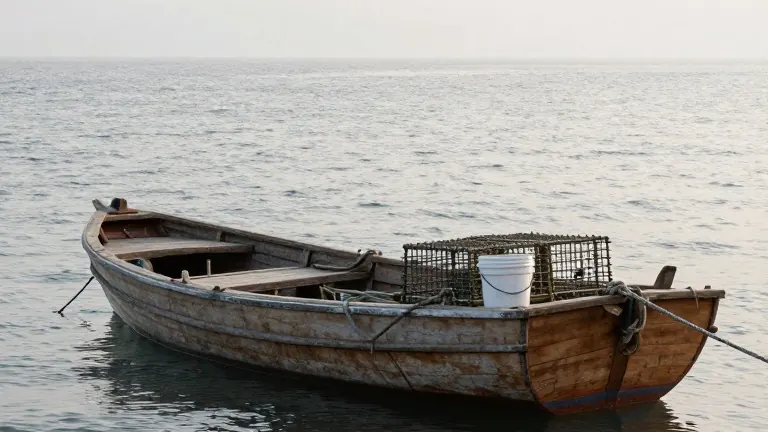
The cost of operating a commercial fishing boat in Maine has increased sharply in the past year, creating a financial strain that is now influencing a close Senate election. Fishermen are paying nearly twice what they did in September for diesel fuel, and they are navigating new trade barriers with their northern neighbor. These economic pressures have become central to the campaign between Republican Senator Susan Collins and her Democratic challenger, Troy Jackson.
Diesel prices in the United States reached record highs in September. Before the US and Israel began their conflict with Iran, the average price for a gallon of diesel was $3.08. By late in the summer, that price had more than doubled to $6.29 per gallon. These fuel costs are a major expense for lobster boats. In addition to fuel, the industry faces higher prices for steel and aluminum due to tariffs on foreign metals. These materials are necessary to build the traps used by fishermen to catch lobsters.
The lobster industry in Maine generated $461 million in revenue in 2025. The sector relies heavily on cross-border logistics. Approximately 60 percent of the state's lobster catch is sent to Canada for processing into tails, meat, and bisque. This catch often returns to the US for sale. The relationship became strained when President Donald Trump imposed tariffs on $20 billion worth of Canadian goods in August. Canada responded with retaliatory tariffs but later removed levies on seafood.
David Horner has worked as a lobsterman for fifty years. He has voted for Trump three times and supports the president's rollback of environmental regulations. However, he opposes the administration's aggressive trade stance toward Canada. Horner noted that he did not hear about this hostility during the campaign. He stated that he is totally against taking on Canada in a hostile trade war. He plans to vote for Collins in the upcoming election but finds his support for the president complicated by high fuel costs.
The Senate race is currently very close. A recent CNN poll showed Jackson leading by four percentage points. A Marist poll indicated a two point lead for Jackson, which is within the margin of error. Collins has a mixed voting record with the president. She has voted in line with Trump on 92 percent of Senate votes during his second term. Yet, she has broken with him on tariff issues, including a vote in April to overturn tariffs on Canadian goods and a push in August to protect seafood from levies.
Justin Snyder, a Democratic strategist working in the lobster industry, said the industry reacted strongly when the tariffs were announced. He described the response in Maine and Canada as loud. Snyder argues that the trade tensions are changing long term market dynamics. Canada is now deepening ties with other countries like China. In China, Canadian lobster faces a 7 percent tariff, while Maine lobster faces a 17 percent tariff. This difference gives Canadian exporters a price advantage in a major market.
Jackson has criticized Collins for not doing enough to challenge the president's trade measures. A spokesperson for Jackson described the tariffs as a tax on Maine families and small businesses. The Collins campaign did not respond to a request for comment. On October 30, Trump removed 50 percent tariffs on some Canadian goods, including certain machinery and packaging products. At the same time, his administration extended tariffs to other Canadian goods, including certain waste products.
Lance Dutson, a Maine Republican strategist, called the Canada tariffs the dumbest thing in the world. He believes there is no good reason for the dispute. He said voters are unlikely to blame Collins directly for the tariffs because she has worked to mitigate them. Climate change also affects the industry. Lobsters thrive in colder waters and are migratory. Warming waters may push the population farther north, potentially making Canadian waters more abundant and putting further pressure on Maine's catch.
Source: Al Jazeera
More Business · Customer Complaints · Report a business · Got a Story?