Dermatologists Confirm Dandruff Shampoo Treats Fungal Acne, Not Regular Breakouts
The viral hack works for Malassezia folliculitis but fails on traditional pimples, according to three skin experts.
By Ana Salazar ·
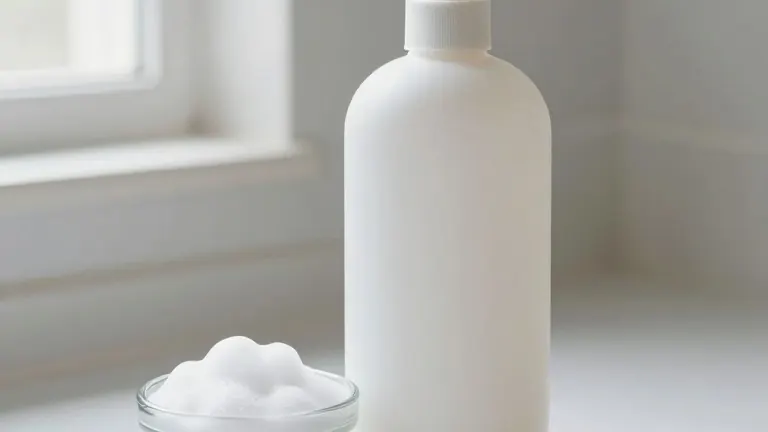
A bottle of Head and Shoulders may be the missing ingredient for a stubborn skin problem.
The internet has embraced dandruff shampoo as a cure for acne, with users reporting clear skin after switching their face wash routine. The trend relies on the fact that specific ingredients in these shampoos target yeast rather than bacteria. This distinction is the key to why the treatment works for some people and fails for others.
Dr. Mona Foad, a board-certified dermatologist and founder of MONA Dermatology in Cincinnati, Ohio, explains that the breakout known as fungal acne is not actually acne. It is a condition called Malassezia folliculitis caused by an overgrowth of yeast. This is the same yeast responsible for dandruff. Katharine Perry, a board-certified nurse practitioner at the same practice, notes that this yeast overgrowth causes inflammation around hair follicles on the scalp, forehead, chest, and back. The result is small red bumps that mimic regular pimples but are driven by a different biological mechanism.
Traditional acne, or acne vulgaris, operates on a completely different path. It is driven by oil, clogged pores, bacteria, and inflammation. Dr. Ariel Ostad, a New York City-based dermatologist and reconstructive surgeon, points out that people with hormonal acne, blackheads, or deep painful pimples will not see the same results from an antifungal shampoo. Foad adds that many patients suffer from both types simultaneously. This leads to partial improvement that can be misleading. If a person has blackheads, whiteheads, or deep cysts, they require a true acne treatment rather than a dandruff shampoo.
Even when the diagnosis is fungal acne, the shampoo acts as a management tool rather than a cure. The yeast lives naturally on everyone's skin. The goal is to keep it in balance. Foad warns that the condition usually returns if treatment stops, especially in hot and humid weather. Patients should expect to notice less itching and fewer new bumps within one to two weeks of consistent use. Clearing is typically significant by the four-week mark. If no improvement appears after two to four weeks, the bumps are likely not fungal or require prescription strength medication.
The active ingredients matter. Ketoconazole, selenium sulfide, and zinc pyrithione are the common agents in these products. Foad recommends using a shampoo with 1% ketoconazole as a short-contact mask. The user should lather it onto the affected area, leave it for three to five minutes, and then rinse thoroughly. This contact time allows the active ingredient to work. For sensitive skin, a shampoo with 2% pyrithione zinc and moisturizing agents like panthenol and glycerin is a milder option. Selsun Blue, which contains 1% selenium sulfide, is another recommended choice for slowing yeast growth and reducing flaking.
Salicylic acid is another ingredient found in some anti-dandruff shampoos. While it is a common acne-fighting ingredient, its presence in a shampoo does not make the product a substitute for a dedicated acne cleanser. Shampoos are formulated for the scalp and often contain fragrances, strong surfactants, and conditioning agents that can irritate facial skin. Some shampoos contain 3% salicylic acid, which is higher than the 0.5% to 2% range found in over-the-counter acne products. Foad advises that using a medicated shampoo alongside other acne treatments can lead to dryness, stinging, and a compromised skin barrier.
Distinguishing between the two conditions is the most critical step. Fungal acne is usually itchy, whereas traditional acne is not. Fungal acne does not produce whiteheads or blackheads. The biggest risk is misdiagnosis. Foad states that using dandruff shampoo on non-fungal acne can delay the correct treatment. If a user experiences excessive dryness or stinging, they should reduce the frequency of use to once a day or once every other day. The treatment is affordable and effective for the right diagnosis, but it is not a universal solution for all skin breakouts.
Source: NBC News