Manhattan water tower roof removed
Officials halted demolition after the roof housing a rare barn owl nest was taken off, leaving fledglings exposed on the Upper West Side.
By Jacob Reynolds ·
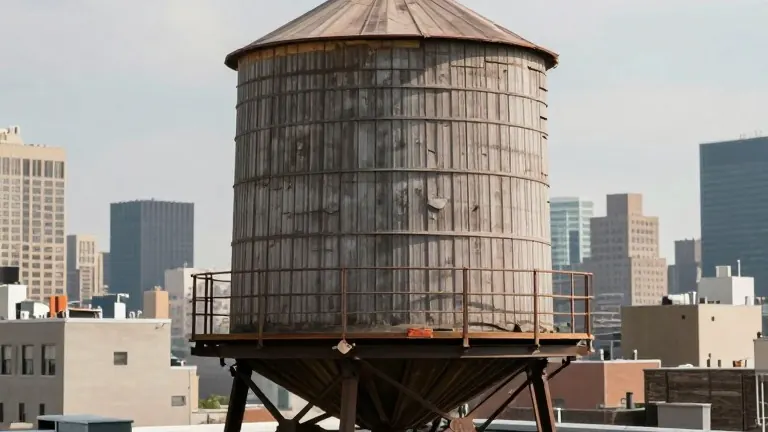
New York City officials intervened Thursday to stop work on an Upper West Side building after the roof of a water tower was removed, exposing a barn owl nest to the elements. The structure had been the home of a barn owl family documented as the first of its kind to nest in Manhattan in modern history.
Jessica Wilson, executive director of the NYC Bird Alliance, discovered a young owl on the roof of an adjacent building following the removal of the tower cap. She noted that barn owlets should not be active during the day, as the species is nocturnal. Wilson stated that the bird appeared to have been taken from the nest and that no other owlets were seen in the immediate vicinity.
The NYC Bird Alliance received reports from residents and birdwatchers about construction activity on the tower early Thursday morning. When Wilson arrived at the site, no workers were present on the roof. Agents from the New York State Department of Environmental Conservation also arrived and gained access to the rooftop with the property manager's permission. Upon inspection, the agents confirmed that the top section of the water tower, where the owls had been nesting, was missing.
The State Department of Environmental Conservation stated in a statement that its agents investigated the area and found the water tower roof had been removed, leaving the barn owl nest exposed. The agency instructed the building owner to halt the demolition of the water tower until further notice while the department investigates potential violations.
Thomas Obersteiner, a local resident, reported seeing a man with an extension cord descending from the water tower around noon on Thursday. The property manager declined to comment when contacted by phone. It remains unclear who owns the building or who authorized the removal of the tower's roof.
State Senator Erik Bottcher criticized the incident, stating that active bird nests are protected by state and federal laws. He expressed anger that construction work destroyed the structure housing the first Manhattan barn owl nest, potentially endangering the parent owls and their chicks. Bottcher argued that accountability is required when these protections are violated.
David Barrett, a Manhattan-based birdwatcher who operates the social media account Manhattan Bird Alert, observed the water tower on Thursday and confirmed the roof was gone. Barrett described the nest as incredibly well-known and said its removal should not have happened. The city's Parks and Recreation Department notes that barn owl sightings in New York City parks are rare, as the city sits at the northern edge of the species' range.
According to the state conservation department, the barn owl population has declined at an alarming rate over time. Wilson explained that the owlets rely on their parents to bring food to the nest because they do not know how to hunt yet. Without the nest structure, Wilson expressed concern that the owlets might not survive.
New York residents have shown strong interest in urban wildlife in recent years. This follows public affection for other birds, including the American woodcock in Bryant Park, the Eurasian eagle-owl Flaco who died in 2024, and the red-tailed hawk Pale Male, which nested on Fifth Avenue for three decades before dying in 2023.
Source: La Voz de Houston