NHS tells Britons to dial 999 at first sign of facial drooping or slurred speech
Health officials emphasize that a single symptom like arm weakness or difficulty smiling constitutes a medical emergency requiring immediate action.
By Ana Salazar ·
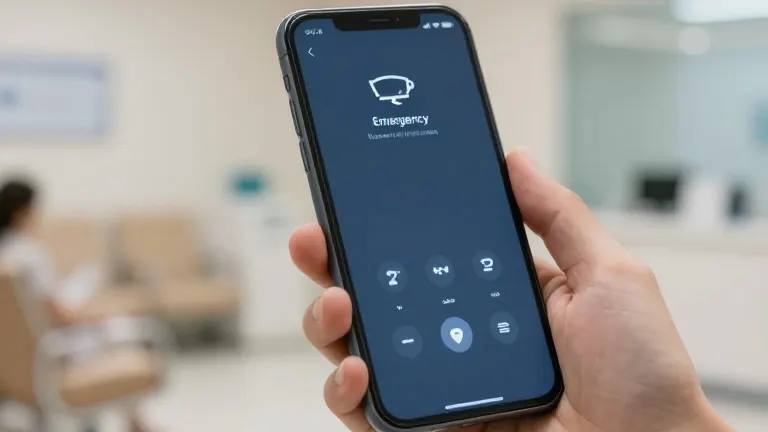
The National Health Service has instructed the public to dial 999 immediately upon noticing specific physical changes associated with a stroke. The guidance, released for World Stroke Day on October 29, clarifies that individuals do not need to wait for multiple symptoms to appear before seeking emergency care.
The health service specified that a person should call emergency services if they observe facial weakness, arm weakness, or speech difficulties. In its social media post, the NHS noted that the first sign might appear minor, such as an inability to raise an arm or a struggle to smile. Officials stated that any of these indicators warrants an immediate 999 call.
The advice relies on the FAST acronym, which stands for Face, Arms, Speech, and Time. This framework helps the public identify three primary warning signs: one side of the face drooping when smiling, difficulty lifting both arms, or slurred and confused speech. The 'Time' component underscores the need to act quickly to reach emergency help.
NHS guidance lists additional potential symptoms, including sudden numbness on one side of the body, blurred vision, and a severe headache. It also notes that confusion and dizziness can occur. Public Health Wales supports this message, encouraging residents to seek urgent medical help rather than waiting for their condition to worsen.
A temporary disappearance of symptoms does not guarantee safety, according to the NHS. A brief episode known as a transient ischaemic attack, or mini-stroke, requires urgent assessment because it can indicate a higher risk of a full stroke later. The service explains that a stroke happens when blood supply to part of the brain is cut off, depriving cells of oxygen.
Rapid treatment limits the damage to brain cells, making speed a factor in patient outcomes. The NHS reiterated that if a person suspects a stroke, they should call 999 and follow the instructions provided by the emergency call handler.
Source: Bristol Post