Slow, Bright Fireballs Set to Light Up Northeast Skies This Weekend
Meteor rates are low, but the Taurid shower is known for intense, colorful displays visible to the naked eye.
By Ana Salazar ·
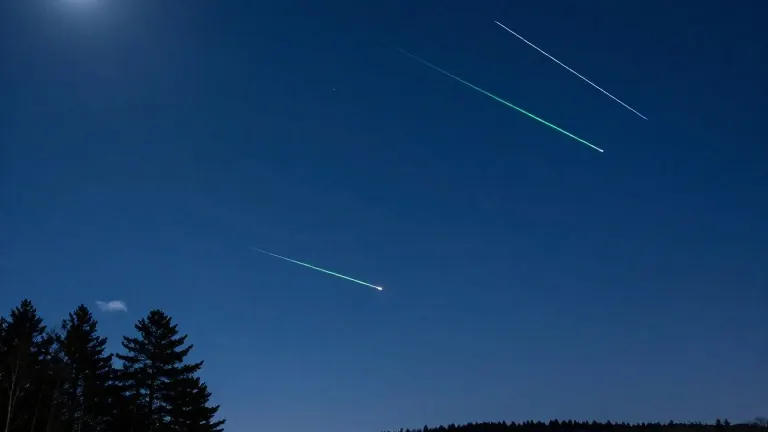
Skywatchers in the Northeast should look up this weekend.
The Southern Taurid meteor shower reaches its peak overnight Wednesday, November 4, into Thursday, November 5, according to the American Meteor Society. A second chance to view activity arrives the following night, from Thursday into Friday, November 6. The best viewing window is around midnight and into the early morning. During those hours, the constellation Taurus sits high in the sky. This position marks the apparent origin point for the meteors.
The shower is defined by quality rather than quantity. Taurids can produce slow-moving, colorful fireballs. These exceptionally bright meteors stand out against the darkness. NASA notes that the shower occurs when Earth passes through debris left by Comet Encke. The material enters the atmosphere at roughly 65,000 miles per hour. It burns up to create the streaks observers see.
Under ideal conditions, the Southern Taurids produce about five meteors per hour. The overlapping northern counterpart can bring the combined total to roughly 10 per hour, according to EarthSky. These figures are estimates for dark skies. Counts will be lower from backyards or brightly lit neighborhoods. The Taurids have broad peaks, so activity stretches across multiple weeks. One cloudy night does not mean missing the entire display.
A waning crescent moon, roughly 25 percent illuminated, should pose limited interference around the southern peak. For the best view, find a dark location away from streetlights and buildings. An open stretch of sky is required. No telescope or binoculars are needed. Dress warmly and allow time for the occasional meteor to appear.
This year’s shower is not a meteor storm. NASA’s linked article described an enhanced Taurid swarm in 2015. EarthSky identifies 2032 as the next predicted exceptional fireball outburst.
Source: Daily Voice Hackensack