Arkansas voters decide state and federal power on Election Day
As polls open in Little Rock and across Arkansas, voters decide state and federal races that will shape the final two years of the Trump administration and the balance of power in Congress.
By Fiona Wallace ·
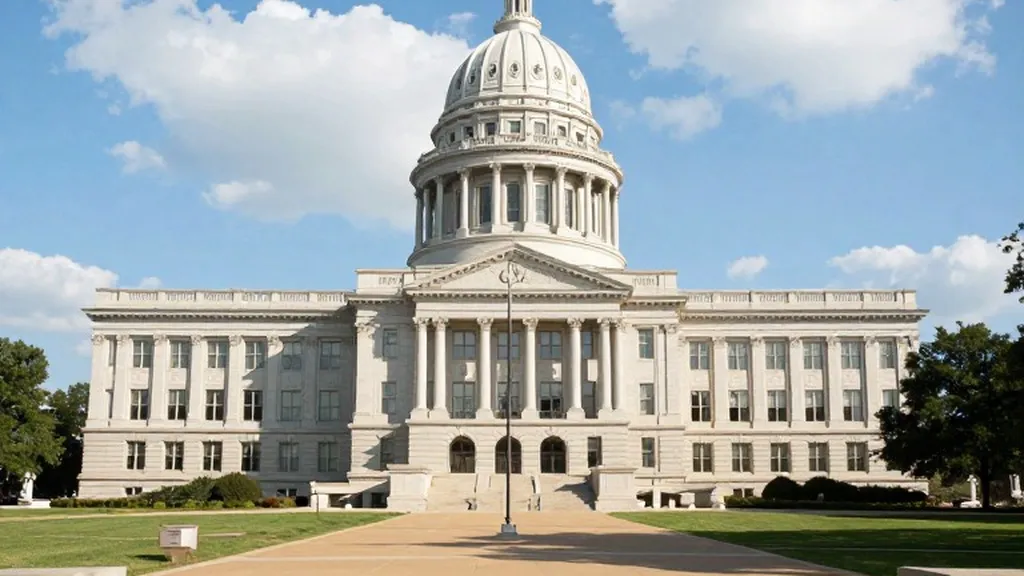
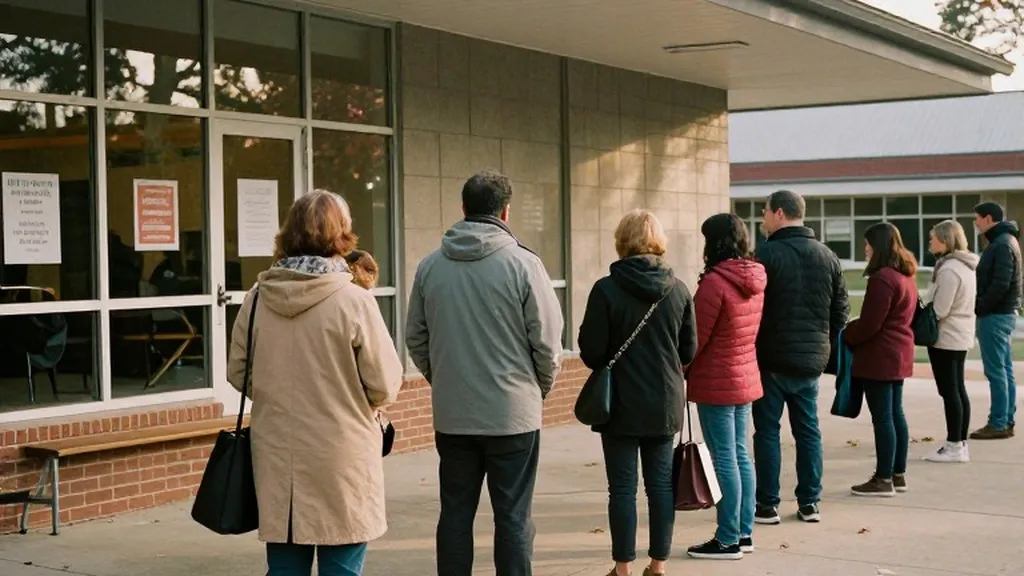
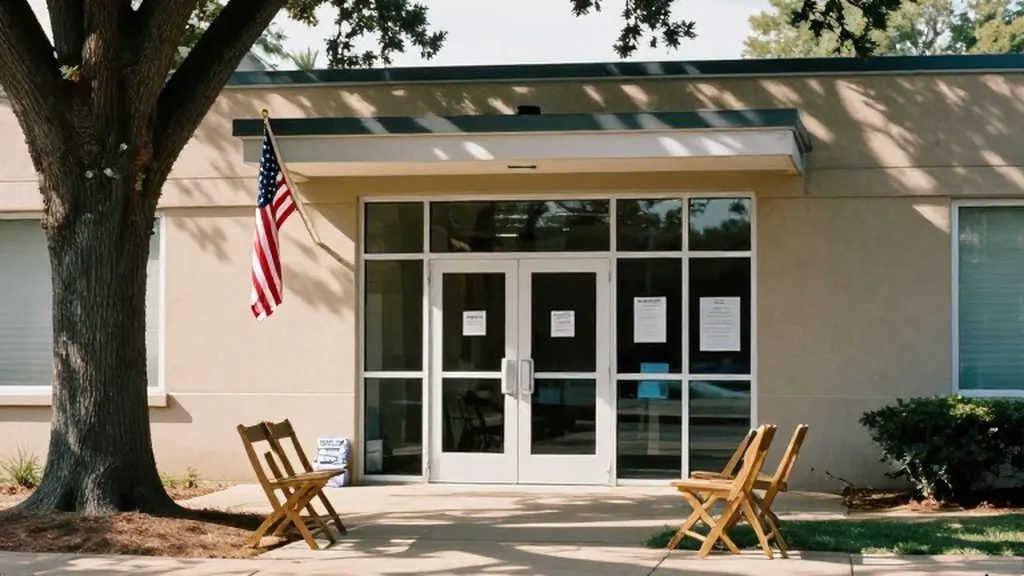
Polls across Pulaski County and the wider state of Arkansas open at 7:30 a.m. and close at 7:30 p.m. on this Election Day. Residents in Little Rock, North Little Rock, and Benton can cast ballots for their local representatives and statewide officials. According to Ballotpedia, the ballot includes contests for the U.S. Senate, the U.S. House, and the governorship, along with state legislative races and local measures. Voters in the region are deciding who will represent them in Washington and Little Rock for the next two to six years. The state is currently led by Republican Governor Sarah Huckabee Sanders, who is seeking another term. She faces opposition from Democratic and Libertarian challengers in a race that could impact the state's direction on economic and infrastructure issues.
In the U.S. Senate race, Arkansas voters are choosing between incumbent Republican Senator Tom Cotton and his Democratic challenger. Ballotpedia confirms that Cotton is running for re-election in a state that has historically leaned Republican. The Senate race is part of a broader contest where 35 of the 100 seats are up for grabs nationwide. While Arkansas is not currently listed among the 13 Senate battlegrounds identified by Ballotpedia, the outcome of the state's single seat contributes to the overall control of the chamber. The winner will begin a six-year term on January 3, 2027, if elected. This race is significant for the state as it determines the balance of power in the upper chamber of Congress.
Voters in Little Rock and surrounding areas are also selecting their representatives for the U.S. House of Representatives. All 435 House seats are up for election in this midterm cycle. In Arkansas, every congressional district is on the ballot, allowing residents to decide who will speak for their communities in the House. The national context is tense, with Republicans holding 218 seats and Democrats holding 214. Democrats need a net gain of three seats to take control of the House, a threshold that hinges on results in competitive districts across the country. In Arkansas, the outcome of these races will influence whether the state contributes to a shift in control or maintains the status quo.
The governor's race in Arkansas is a key statewide contest. Incumbent Sarah Huckabee Sanders is running for re-election against a field that includes Democratic and Libertarian candidates. According to Ballotpedia, this is one of 36 governorships on the ballot nationwide. Republicans currently hold 26 governor's offices, while Democrats hold 24. A change in control in Arkansas would not immediately shift the national majority, but it would impact the state's policy agenda. The race is part of a broader effort by Democrats to hold a majority of governorships for the first time in two decades, a goal that remains distant for the state given its historical voting patterns.
Beyond the major offices, Arkansas voters are weighing four statewide ballot measures. Issue 1 addresses citizenship requirements for voting, proposing that only U.S. citizens may vote in state elections. Issue 2 focuses on constitutional rights, specifically stating that the right to keep and bear arms is a natural and fundamental individual right. Issue 3 allows the legislature to create economic development districts and make loans or grants for economic growth. Issue 4 authorizes the Arkansas Natural Resources Commission to issue up to $500 million in bonds for water-related infrastructure projects, including flood control and irrigation. These measures reflect local priorities on fiscal policy, infrastructure, and civil rights.
Nationally, the election is seen as a referendum on President Donald Trump's second term. The Associated Press reports that voters are struggling with high prices and are angry over an unpopular war with Iran. AP-NORC polling indicates that 35% of U.S. adults approve of Trump's job performance, while about 7 in 10 say the country is heading in the wrong direction. More than 57 million people had already voted as of Monday, surpassing early vote totals from four years ago in many states. This high turnout suggests a strong engagement level that could influence the final outcome in close races. The mood in Little Rock and other Arkansas communities mirrors this national sentiment, with many voters citing cost of living as a primary concern.
If Democrats win control of either chamber of Congress, the implications for the final two years of Trump's term are significant. House Democratic Leader Hakeem Jeffries has outlined a 100-day agenda focused on the cost of living and oversight investigations. A win for Democrats would make investigations and possible impeachment proceedings more likely. For Republicans, maintaining control of at least one chamber is crucial to advancing their legislative agenda and protecting nominees. The stakes are high for both parties, as the balance of power in Congress will determine the pace and direction of the administration's remaining actions.
The 2026 elections are expected to be the most expensive in history. Republican committees have outraised and outspent Democratic committees, aided by Trump-affiliated groups and Elon Musk. However, at the candidate level, Democrats have outraised their opponents. Analysis of TV ad spending shows that 88.1% of Republican general election spending went to states and districts Trump won in 2024. This heavy spending in Republican-leaning areas, including states like Arkansas, suggests that both parties are investing significantly to secure their holds. The financial intensity of the campaign has been a defining feature of this election cycle.
Election administration has been a focal point of legal battles. A federal judge temporarily barred the Trump administration from a plan to prevent noncitizen voting, citing concerns about disenfranchising eligible voters. Another judge ordered the administration to stop demanding that California election officials segregate ballots of suspected noncitizens. The U.S. Postal Service added staff and hours to ensure mail ballots are counted on time. These legal moves and logistical adjustments have added layers of complexity to the election day. In Arkansas, local officials are monitoring these developments to ensure a smooth process for voters in Little Rock and other cities.