Little Rock voters face record spending in 2026 midterms
As polls open at 7:30 a.m. in Pulaski County, national data shows Republican committees outspent Democrats, though candidates raised more.
By Jacob Reynolds ·
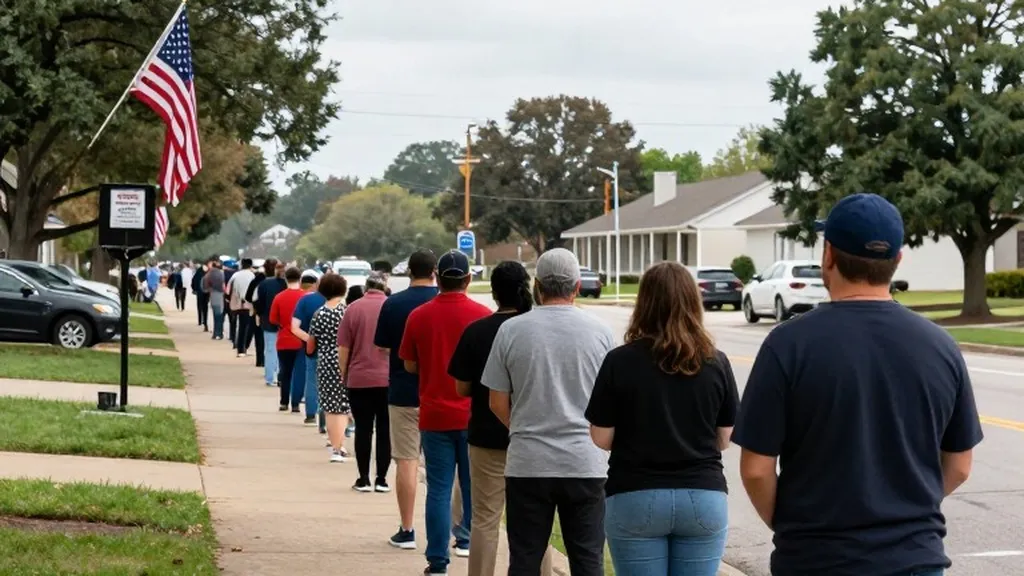
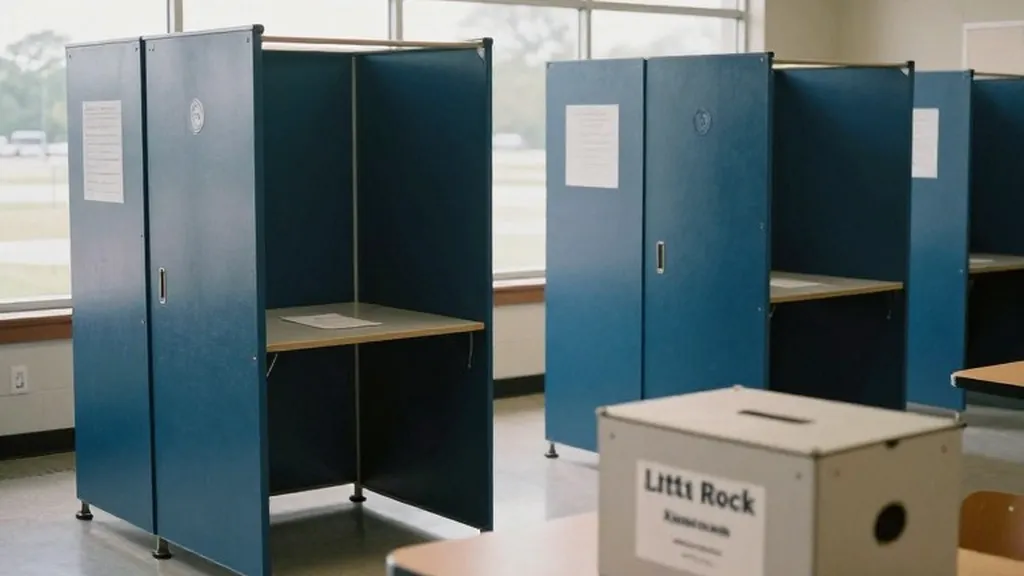
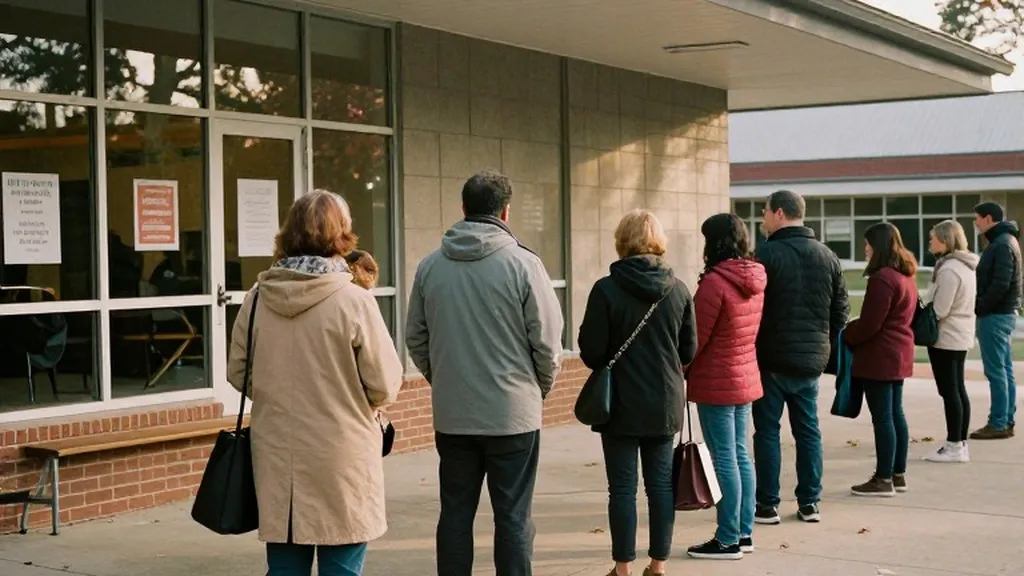
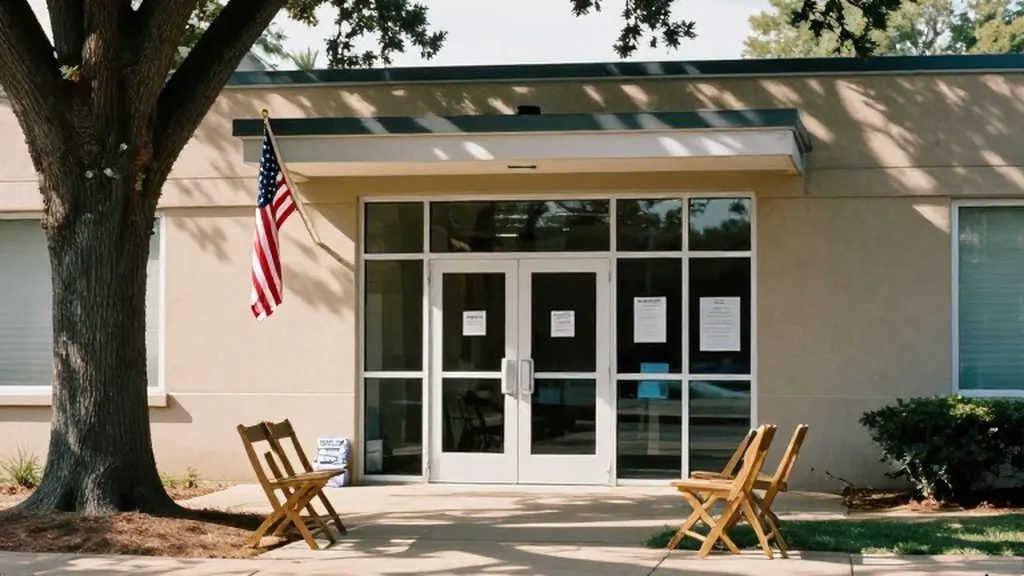
In Little Rock, North Little Rock, and Benton, voters are heading to the polls to decide the state's leadership and its representation in the U.S. Congress. Polls in Arkansas are open from 7:30 a.m. to 7:30 p.m. today, according to Ballotpedia. The day marks the midpoint of President Donald Trump's second term, with the results determining which party controls Congress for the final two years of his presidency. Locally, Arkansas voters are choosing between incumbent Republican U.S. Senator Tom Cotton and his challengers for the state's Senate seat. They are also deciding whether incumbent Republican Governor Sarah Huckabee Sanders will continue in office, with the Libertarian party also represented on the ballot for these statewide races.
Every seat in the Arkansas U.S. House delegation is on the ballot, along with state legislative offices and local measures that vary by county. The state is also voting on four ballot measures, including provisions regarding citizenship for voting and the right to keep and bear arms. The Associated Press describes the national election as a referendum on the current administration, with many voters citing high prices and an unpopular war with Iran as primary concerns. In Little Rock, the long lines and early turnout reflect the broader national trend, with more than 57 million people having already voted before today, according to the Associated Press.
The financial scale of this election has reached historic levels, likely making it the most expensive in American history. According to an Associated Press analysis of AdImpact data, Republican committees have outraised and outspent their Democratic counterparts. This advantage was bolstered by significant funding from Trump-affiliated groups and the involvement of Elon Musk. Despite the committee-level dominance, the AP notes that at the individual candidate level, Democrats actually outraised their Republican opponents. This divergence highlights the complex funding landscape where party machines and super PACs often operate with different strategies than the candidates themselves.
A striking detail from the AP analysis is the concentration of Republican spending. The data shows that 88.1 percent of Republican general election television advertising dollars went to states and districts where Trump won in 2024. Specifically, more than $850 million was spent in districts where the former president won by 10 points or more. This spending strategy suggests a focus on consolidating support in strong Republican areas. In contrast, Democratic spending appears more distributed, potentially reflecting the need to hold onto competitive seats or make gains in districts that previously voted for the president.
The national stakes are high, with Democrats needing a net gain of three House seats to take control of the chamber and four Senate seats to seize the upper body. Republicans can afford to lose no more than two House seats and only two Senate seats to maintain their majorities. In the governor's offices, Democrats would need a net gain of two seats to achieve a nationwide majority for the first time since 2010. For Little Rock residents, these national numbers translate into the specific races for the state's congressional delegation and the governor's mansion, where the balance of power in Little Rock and the surrounding region could shift.
Voter sentiment remains divided and intense. The AP reports that 35 percent of U.S. adults approve of Trump's job performance, while about 7 in 10 say the country is heading in the wrong direction. Many voters blame the president for high prices. In a statement, RNC Chairman Joe Gruters emphasized the importance of turnout, saying that if they turn out their voters, they win. DCCC Chair Rep. Suzan DelBene countered that the American people are angry and want change. These competing narratives are playing out in polling places across Pulaski County, where voters are weighing their local issues against the national mood.
Election administration has also been a point of contention. A federal judge temporarily barred the Trump administration from implementing a plan to prevent noncitizen voting, a move critics said could disenfranchise eligible voters. The U.S. Postal Service added hours and staff to ensure mail ballots are counted on time. In Arkansas, the focus is on in-person voting, but the national background of legal challenges and logistical adjustments adds a layer of complexity to the day. Voters in Benton and Little Rock are reminded that anyone in line when polls close at 7:30 p.m. is entitled to vote, a rule that ensures every voice is heard regardless of the queue length.
The election also has implications for the 2028 presidential cycle. A strong Democratic performance would boost candidates like Gavin Newsom and Pete Buttigieg, while a Republican hold could complicate the path for Vice President JD Vance. For the state of Arkansas, the outcome will influence the state's influence in Congress for the next two years. The money spent in this cycle will set a benchmark for future political campaigns, with the sheer volume of dollars involved reshaping how parties and candidates approach fundraising and advertising. The AP notes that Republicans tried to beat the traditional midterm pattern of losing seats, but the results will show if their strategy was effective.
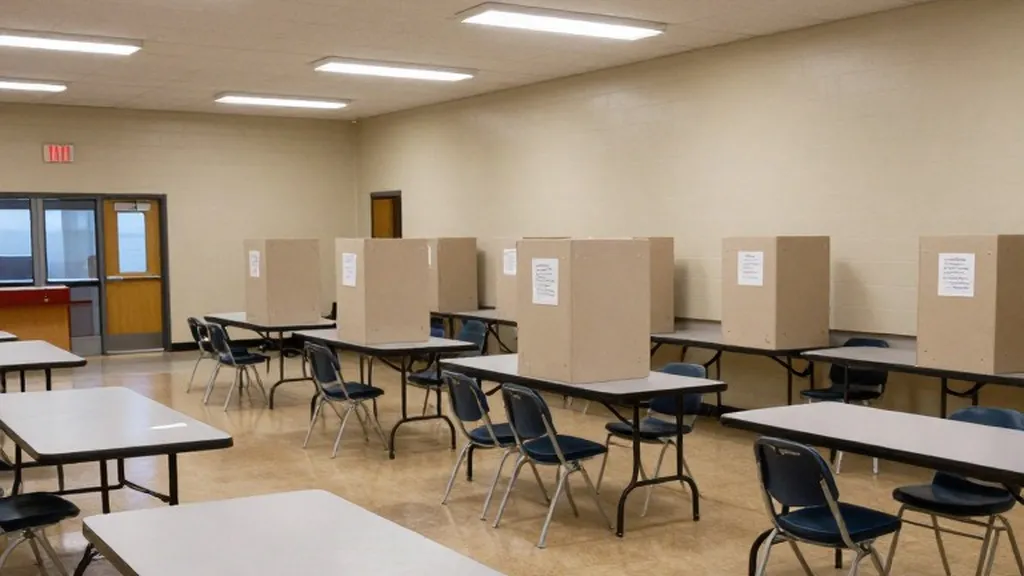
As the day progresses, the focus remains on what voters are doing rather than what the results might be. The polls are open, and the decisions are being made in booths across Little Rock and the state. The financial figures, such as the $850 million spent in safe Republican districts, provide a backdrop for the intense competition. Whether the local races in Arkansas mirror the national trends of high spending and divided sentiment will become clear as the ballots are counted. The day is a test of the electorate's priorities, from the cost of living to the direction of the country, all decided in the quiet moments of voting in Pulaski County.