Arkansas voters decide Cotton, Sanders, and four key ballot issues
Polls in Little Rock, North Little Rock, and Benton are open until 7:30 p.m. as residents choose state leaders and weigh major constitutional changes.
By Ana Salazar ·
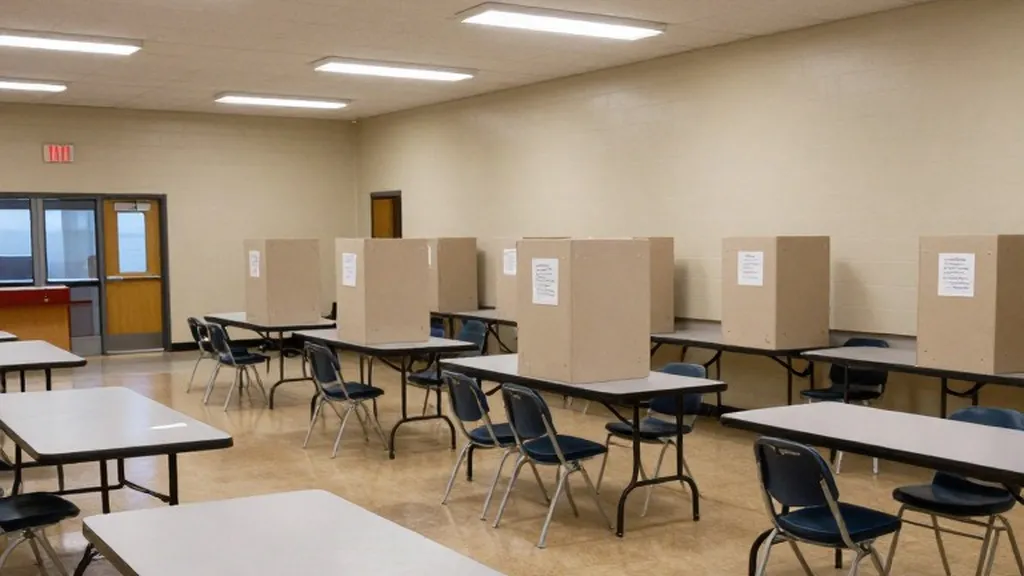
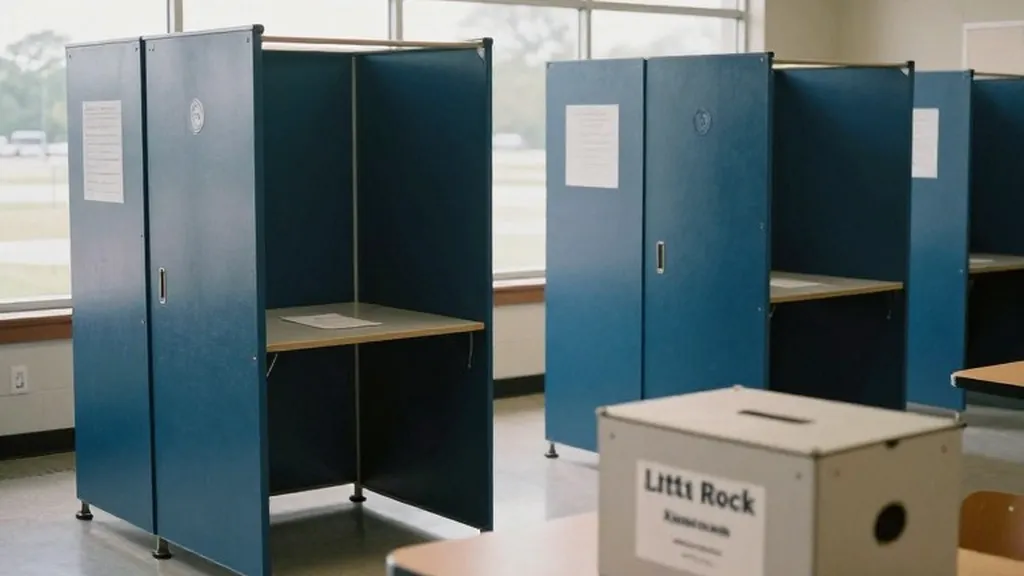
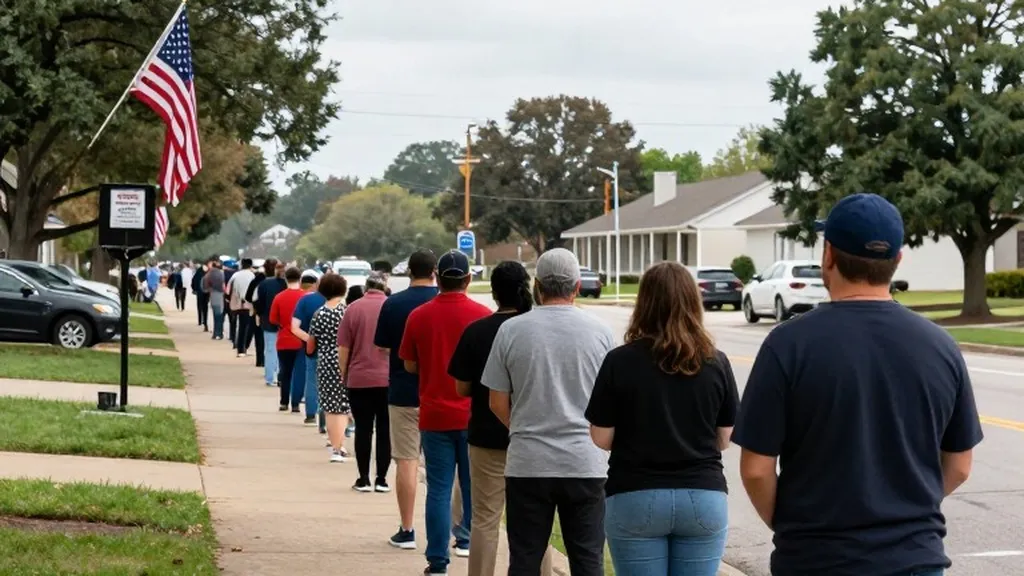
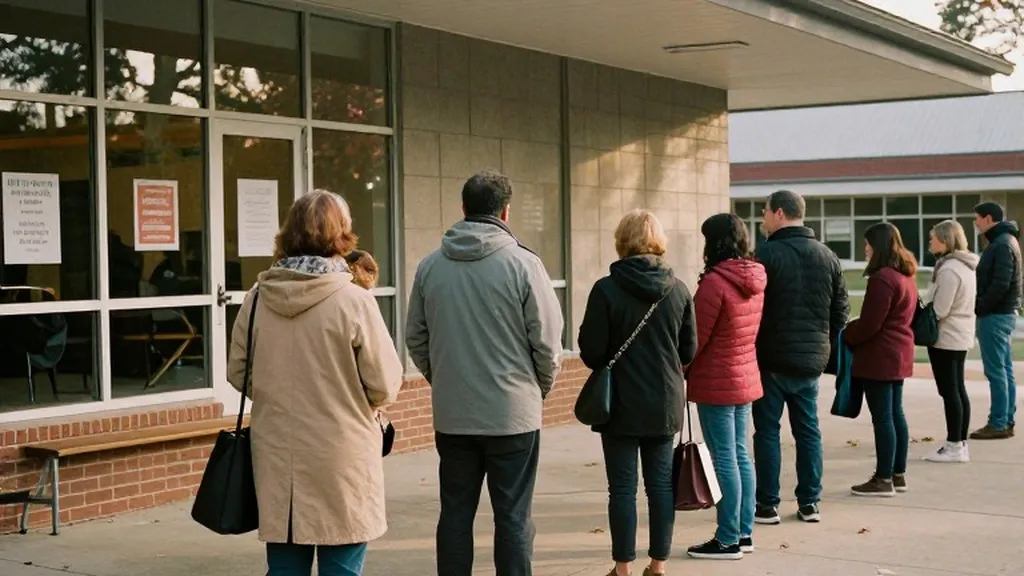
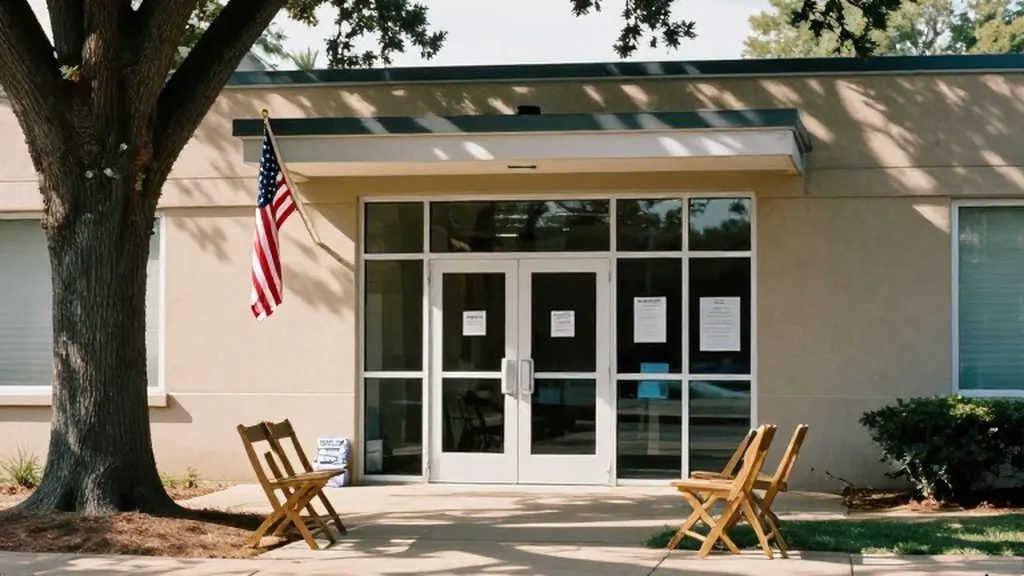
Voters in Little Rock, North Little Rock, and Benton are heading to the polls on Tuesday, November 3, 2026, to select state leaders and decide on significant local and statewide measures. According to Ballotpedia, polling places in Arkansas are open from 7:30 a.m. to 7:30 p.m. local time. Residents can locate their specific polling place by visiting vote.gov or contacting their state election office. The general election marks the midpoint of President Donald Trump's second term, with the outcome determining which party controls Congress for his final two years.
In the race for the U.S. Senate seat from Arkansas, incumbent Republican Senator Tom Cotton is seeking re-election. Ballotpedia notes that the parties on the ballot for this seat include the Democratic, Libertarian, and Republican parties. This election is part of a national contest where 35 of the 100 Senate seats are up for grabs. Republicans currently hold 53 seats, while Democrats hold 45 seats, plus two independents who caucus with Democrats. Democrats would need a net gain of four seats to achieve a majority in the Senate.
The governorship is also on the ballot, with incumbent Republican Governor Sarah Huckabee Sanders running for another term. The parties listed for this race are the Democratic, Libertarian, and Republican parties. Nationally, 36 governorships are being decided in this midterm cycle. Republicans currently hold 26 governor's offices and Democrats hold 24. Of the offices on the ballot, each party holds 18. Nineteen of these races have no incumbent on the ballot, with 15 governors being term-limited and others choosing not to run.
Arkansas voters are also deciding on four statewide ballot measures that have significant implications for the state's constitution and infrastructure. Issue 1 addresses citizenship voting, proposing that only a citizen of the United States may vote in an election in this state. Issue 2 focuses on constitutional rights and firearms, stating that the right to keep and bear arms is a natural, fundamental, and individual right that shall not be infringed. These measures reflect broader national debates about voting eligibility and individual rights.
Issue 3 relates to local government and economic investment. It would allow the legislature to create programs, including Economic Development Districts, and make loans and grants of public money to develop the state economy. This measure could impact how public funds are allocated for development projects in towns like Benton and the greater Little Rock area. Issue 4 authorizes the Arkansas Natural Resources Commission to issue up to $500 million in general obligation bonds. These funds are intended for water-related infrastructure projects, including water treatment, transportation, waste disposal, pollution abatement, drainage, irrigation, flood control, and wetlands and aquatic resources infrastructure.
All four U.S. House seats in Arkansas are also on the ballot. Nationally, all 435 seats in the House of Representatives are up for election. Republicans currently hold 218 seats and Democrats hold 214, with one independent and vacancies. Democrats need a net gain of three districts to secure a majority, while Republicans can lose no more than two seats. Ballotpedia counts 46 battleground districts in the national race, with 25 held by Democrats and 21 by Republicans. In Arkansas, voters will also choose candidates for state senate, state house, state supreme court, intermediate appellate courts, school boards, and municipal government offices.
The Associated Press describes this election as a referendum on the president's second term, with many voters struggling with high prices and expressing anger over an unpopular war with Iran. According to AP-NORC polling, 35% of U.S. adults approve of Trump's job performance, while 25% approve of his handling of the economy. About seven in 10 respondents say the country is heading in the wrong direction. More than 57 million people had already voted as of Monday, surpassing the early vote of four years ago in many closely watched states. The U.S. Postal Service added hours, staff, and special lines to ensure mail ballots are counted on time.
A federal judge temporarily barred the Trump administration from carrying out a plan to prevent noncitizen voting, a move that critics say risks disenfranchising eligible voters. Another judge ordered the administration to stop demanding that California election officials segregate ballots cast by people on lists of suspected noncitizens. The administration has continued to make claims about voting fraud, including that noncitizens vote in large numbers, and has sued in Alaska and California. Democrats fear interference and intimidation as the Justice Department threatens to prosecute local election officials. These legal developments are influencing the mood of voters in states like Arkansas, where Issue 1 directly addresses citizenship requirements for voting.
Money is a significant factor in the 2026 elections, which are likely to be the most expensive in history. Republican committees outraised and outspent Democratic committees, helped by Trump-affiliated groups and Elon Musk. However, at the candidate level, Democrats outraised their opponents. According to an AP analysis of AdImpact data, 88.1% of Republican general election TV ad spending went to states and districts Trump won in 2024. This includes more than $850 million in spending where he won by 10 points or more. In Arkansas, the political landscape is shaped by these national trends while remaining focused on local issues like infrastructure and economic development.
The election also has implications for the broader political landscape. If Democrats win even one chamber of Congress, investigations and possible impeachment proceedings become likely. House Democratic Leader Hakeem Jeffries would be the first Black speaker and has outlined a 100-day agenda on the cost of living and oversight. A strong Democratic night could boost potential 2028 candidates such as Gavin Newsom, JB Pritzker, and Pete Buttigieg, and could complicate Vice President JD Vance's path. Republicans are trying to beat the midterm pattern, where a president's party almost always loses seats, through redistricting efforts, though new districts in some states may not vote as drawn.