Arkansas voters weigh Senate, Governor seats amid national House battle
Pulaski County polls open at 7:30 a.m. as residents decide state races and the 46 battleground districts that could shift congressional control.
By Jacob Reynolds ·
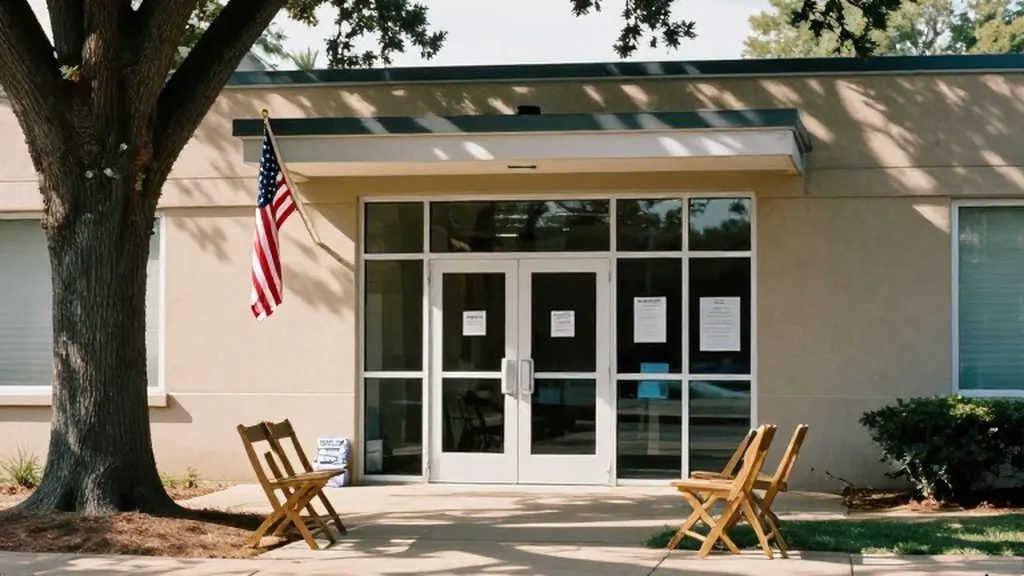
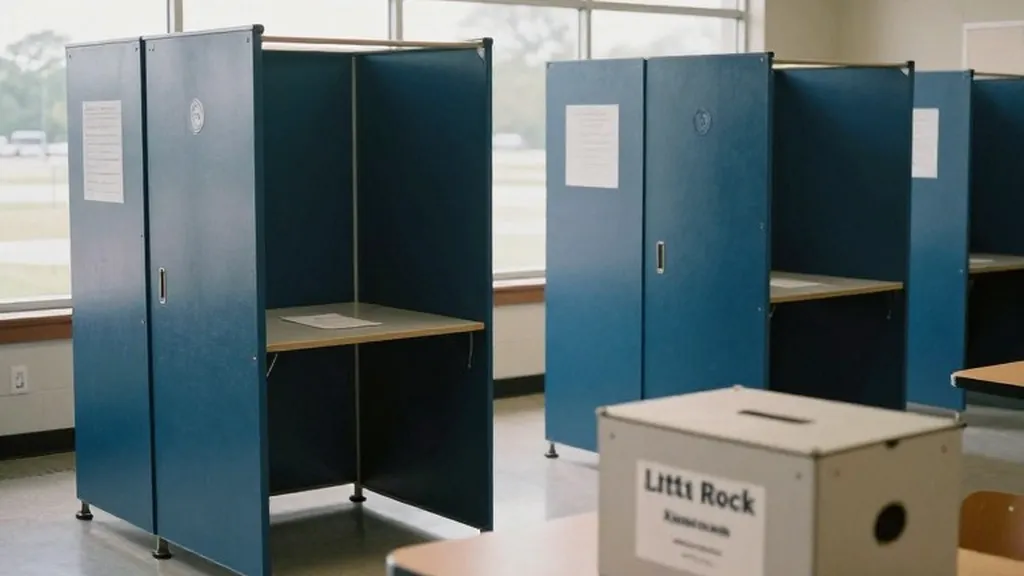
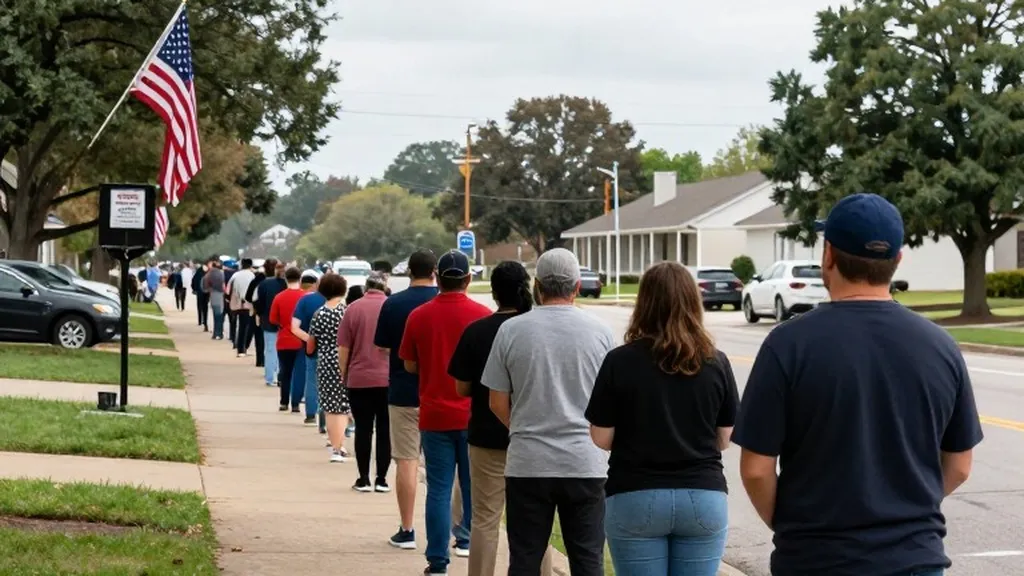
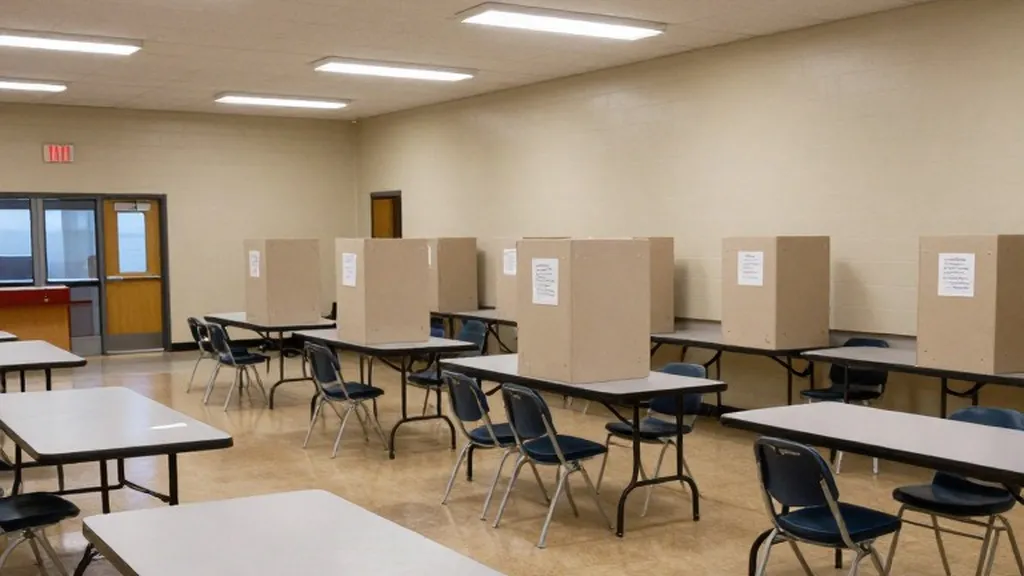
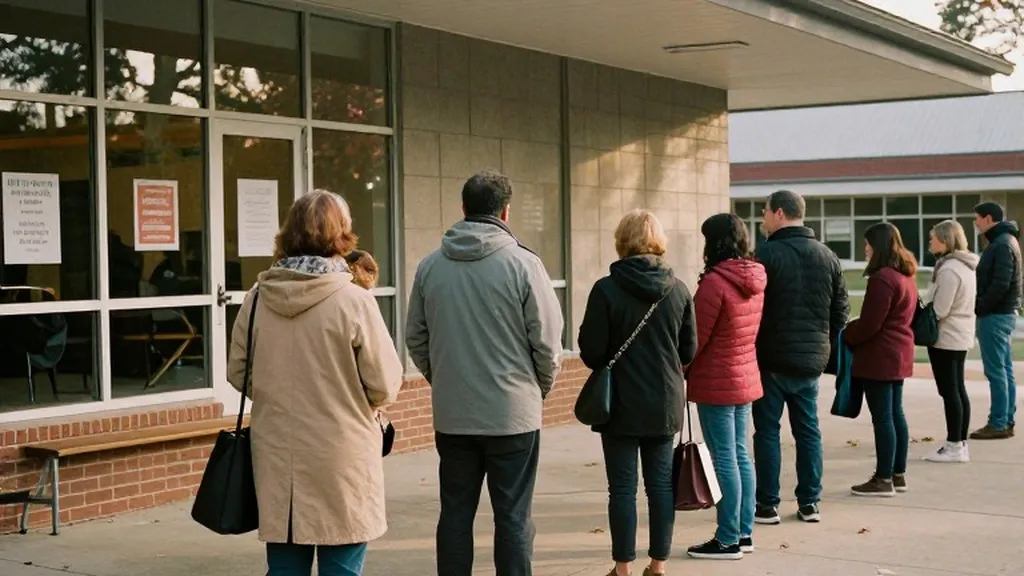
Polls across Pulaski County opened at 7:30 a.m. on Tuesday, November 3, 2026, inviting residents of Little Rock, North Little Rock, and Benton to cast ballots in the midterm election. According to Ballotpedia, voters in Arkansas are choosing a U.S. Senator, a Governor, and every member of the state’s congressional delegation. The polls will remain open until 7:30 p.m., with anyone in line at closing time entitled to vote. This statewide cycle also includes state legislative races, judicial elections, and local ballot measures that vary by county.
In the race for the U.S. Senate, incumbent Republican Tom Cotton is seeking another term against a field that includes Democratic and Libertarian candidates. The Associated Press notes that the national context of this race is shaped by a referendum on President Donald Trump’s second term, with many voters expressing frustration over high prices and an unpopular war with Iran. While the state race is local, it occurs alongside 34 other Senate contests that will determine which party controls the upper chamber for the next two years.
Arkansas voters are also selecting a governor. Incumbent Republican Sarah Huckabee Sanders is running for re-election. This contest is part of a national trend where 36 governorships are on the ballot. Republicans currently hold a majority of governor’s offices, but Democrats are aiming for a net gain of two seats to achieve a nationwide majority for the first time since 2010. The outcome in Little Rock and surrounding areas will contribute to this broader state-level tally.
Beyond the statewide offices, every seat in the U.S. House of Representatives for Arkansas is up for grabs. According to the Associated Press, all 435 House seats are being decided today. Republicans currently hold 218 seats, while Democrats hold 214, with one independent and vacancies remaining. Democrats need to gain a net of three districts to secure a majority, whereas Republicans can lose no more than two seats to maintain control. This narrow margin makes the election a tight race for both parties.
The national House race features 46 battleground districts identified by Ballotpedia, with 25 held by Democrats and 21 by Republicans. These districts are considered the most likely to change hands based on historical voting patterns and current polling. In Arkansas, the newly drawn maps and local dynamics will influence how these seats are contested. The Associated Press reports that 60 House incumbents are not running again, creating open seats that may be more susceptible to change.
New congressional maps are in effect for seven states, including California, Florida, Missouri, North Carolina, Tennessee, Texas, and Ohio. These redistricting efforts were intended to benefit the Republican Party, but the Associated Press notes that some new districts may not vote as drawn. The effectiveness of these maps will be tested in the results, which could determine if Republicans can break the traditional midterm pattern of losing seats when the president’s party is in power.
Voters in Arkansas are also deciding on four statewide ballot measures. Issue 1 proposes that only U.S. citizens may vote in state elections. Issue 2 seeks to enshrine the right to keep and bear arms as a natural and individual right. Issue 3 allows the legislature to create economic development districts and make loans for economic investment. Issue 4 authorizes the Arkansas Natural Resources Commission to issue up to $500 million in bonds for water-related infrastructure projects, including flood control and waste disposal.
The mood among voters is described by the Associated Press as one of caution and anger. Polling from AP-NORC indicates that 35% of U.S. adults approve of President Trump’s job performance, while about 7 in 10 believe the country is heading in the wrong direction. More than 57 million people had already voted as of Monday, surpassing early vote totals from four years ago in many states. In Little Rock, local officials have added resources to ensure mail ballots are counted on time, supported by additional U.S. Postal Service staff.
Republicans are bracing for the possibility of losing the House while fighting to hold the Senate, according to the Associated Press. Democrats are described as cautiously optimistic, hoping to use their momentum to challenge the administration. The outcome of these races will have significant implications for oversight and investigations, with House Democratic Leader Hakeem Jeffries outlining a 100-day agenda focused on the cost of living if his party gains control. The results will also impact the political trajectories of potential 2028 candidates and Vice President JD Vance.
The election is also drawing attention from Wall Street, with Reuters noting that results could influence investor concerns about AI spending and debt ceiling negotiations. A federal judge temporarily barred the Trump administration from implementing a plan to prevent noncitizen voting, a move that critics say could disenfranchise eligible voters. As polls close at 7:30 p.m., residents of Pulaski County will have cast their votes in a day that determines the balance of power in Washington and Little Rock.
Final tallies will emerge as officials count ballots from polling places and mail-in votes. The Associated Press reports that the Justice Department has threatened to prosecute local election officials, adding a layer of tension to the administration of the vote. Despite these challenges, the process continues with the goal of accurately reflecting the will of the voters. The day marks the halfway point of President Trump’s second term, with the results setting the stage for the final two years of his administration.