Arkansas voters choose Cotton, Sanders in 36-state governor race
With polls open from 7:30 a.m. to 7:30 p.m., Little Rock and Benton residents weigh local ballot measures alongside a national contest where 19 governorships lack incumbents.
By Fiona Wallace ·
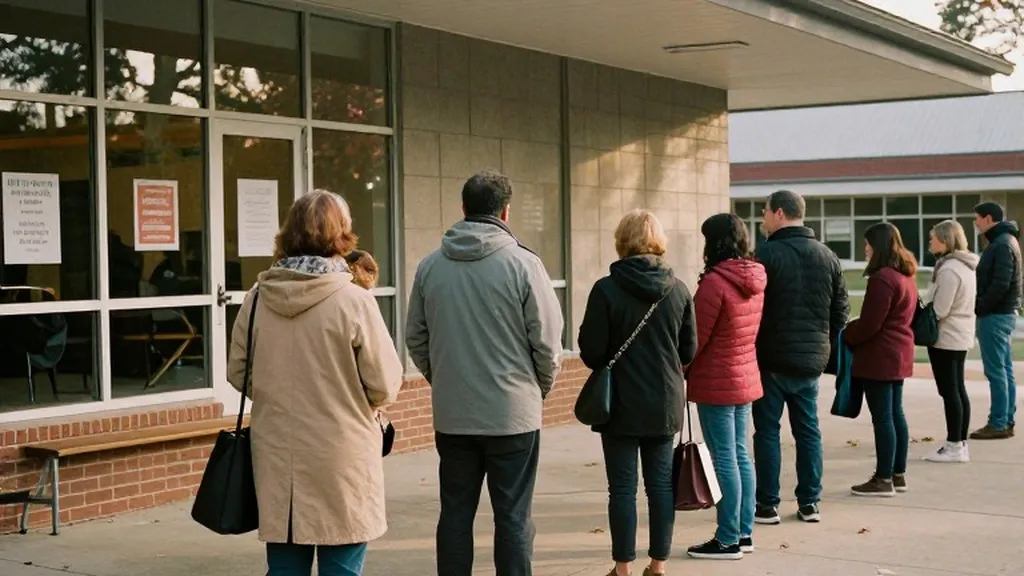
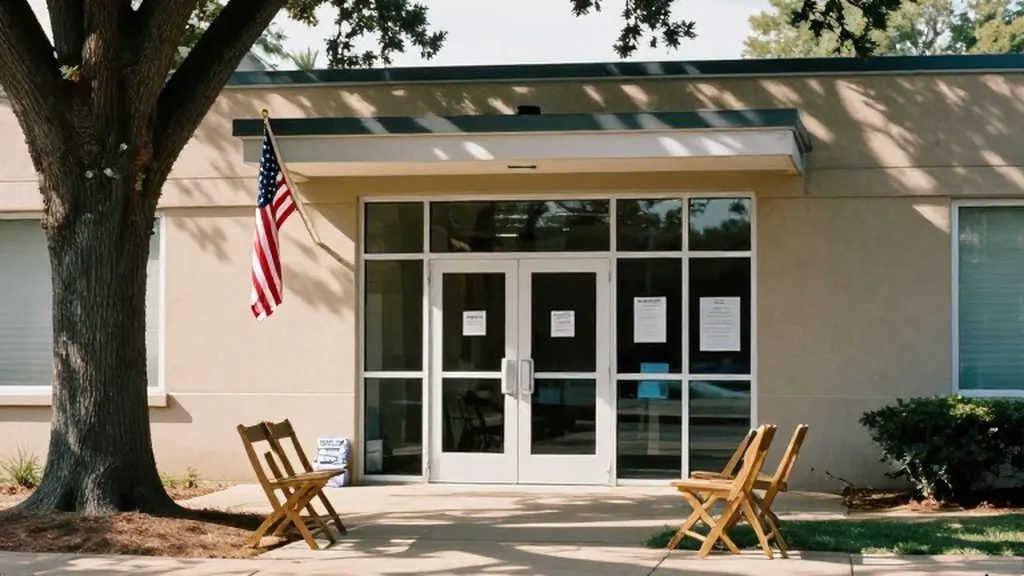
Voters in Little Rock, North Little Rock, and Benton are heading to the polls on Tuesday, November 3, 2026, to decide the state's most significant races. Polls in Arkansas remain open from 7:30 a.m. to 7:30 p.m., according to Ballotpedia. Residents can find their specific polling place by visiting vote.gov or contacting the state election office. Anyone in line when the polls close is entitled to cast a ballot. The state is deciding the fate of its U.S. Senate seat, where incumbent Tom Cotton is running for re-election, as well as the governorship held by incumbent Sarah Huckabee Sanders. Both races feature candidates from the Democratic, Libertarian, and Republican parties.
Beyond the statewide contests, every U.S. House seat in Arkansas is on the ballot. The general election also includes state and local offices, school boards, and municipal government positions. Voters in the county will also consider several ballot measures that have been placed on the ballot by the legislature or the people. These include issues regarding citizenship requirements for voting, the right to keep and bear arms, and the authority of the legislature to create economic development programs. Another measure authorizes the Arkansas Natural Resources Commission to issue up to $500 million in general obligation bonds for water-related infrastructure projects.
The national picture is defined by a mid-term election halfway through President Donald Trump's second term. The Associated Press describes the day as a referendum on the administration's performance, with many voters expressing frustration over high prices and an unpopular war with Iran. According to AP-NORC polling, 35% of U.S. adults approve of Trump's job performance, while about seven in 10 say the country is heading in the wrong direction. More than 57 million people had already voted as of Monday, surpassing the early vote totals of four years ago in many closely watched states.
Thirty-six governorships are on the ballot across the country. Heading into the election, Republicans hold 26 governor's offices and Democrats 24. Of the 36 offices on the ballot, each party holds exactly 18, creating a balanced starting point for this cycle. A significant portion of these races are open seats, with 19 of the 36 governorships lacking an incumbent on the ballot. This is largely due to term limits, which affect 15 governors. Additionally, Iowa's Kim Reynolds, Minnesota's Tim Walz, and Wisconsin's Tony Evers chose not to run, while Rhode Island's Daniel McKee lost his primary. Democrats would need a net gain of two governorships to achieve a nationwide majority, a position Republicans have held since 2010.
Ballotpedia identifies nine battleground governor races where the outcome is particularly close. These include Alaska, Arizona, Georgia, Iowa, Kansas, Michigan, Nevada, Ohio, and Wisconsin. In Georgia, Republican health care executive Rick Jackson faces Democratic former Atlanta Mayor Keisha Lance Bottoms. In Nevada, Republican Governor Joe Lombardo is running against Democratic Attorney General Aaron Ford. In Ohio, Republican Vivek Ramaswamy competes against Democrat Amy Acton. The AP notes that Texas, Florida, and Iowa are also competitive governor races. Democrats hope to hold a majority of governorships for the first time in two decades, a goal that depends on performance in these swing states.
The U.S. Senate race involves 35 of the 100 seats, including 33 regular elections and two special elections. Republicans currently hold 53 seats, while Democrats hold 45, plus two independents who caucus with Democrats. Democrats need a net gain of four seats to take control of the chamber. Eleven senators are not running again, including four Democrats and seven Republicans. Key matchups have been named by the AP and PBS in states such as North Carolina, where former Governor Roy Cooper faces former RNC chair Michael Whatley. In Georgia, Senator Jon Ossoff faces Republican Representative Mike Collins. In Ohio, former Senator Sherrod Brown challenges Senator Jon Husted.
The Associated Press notes that Republicans are bracing for the possibility of losing the House while fighting to hold the Senate. Democrats, meanwhile, are described as cautiously optimistic. The House race involves all 435 seats, with Republicans holding 218 and Democrats holding 214. Democrats need a net gain of three districts to secure a majority. Sixty House incumbents did not run again, and Ballotpedia counts 46 battleground districts. The election will determine who controls Congress for the final two years of Trump's term, with potential implications for investigations and oversight if Democrats win even one chamber.
Election administration has been a focus of recent legal and logistical efforts. A federal judge temporarily barred the Trump administration from carrying out a plan to prevent noncitizen voting, a move critics say risks disenfranchising eligible voters. In California, a judge ordered the administration to stop demanding that election officials segregate ballots cast by people on lists of suspected noncitizens. The U.S. Postal Service has added hours, staff, and special lines to ensure mail ballots are counted on time. Wall Street is also watching the results closely, as Reuters reports that the outcome could influence investor concerns regarding AI spending and debt ceiling negotiations.
The 2026 elections are likely to be the most expensive in history. Republican committees have outraised and outspent Democratic committees, aided by Trump-affiliated groups and Elon Musk. However, at the candidate level, Democrats have outraised their opponents. According to AP analysis of AdImpact data, 88.1% of Republican general election TV ad spending went to states and districts Trump won in 2024. This includes more than $850 million in spending where he won by 10 points or more. RNC Chairman Joe Gruters stated that everything depends on turnout, while DCCC Chair Suzan DelBene said the American people are angry and want change.