Cinematographer Tudor Panduru details the mechanics of long takes
The Romanian filmmaker broke down the technical and logistical challenges of his work with director Cristian Mungiu during a masterclass in Jakarta.
By Fiona Wallace ·
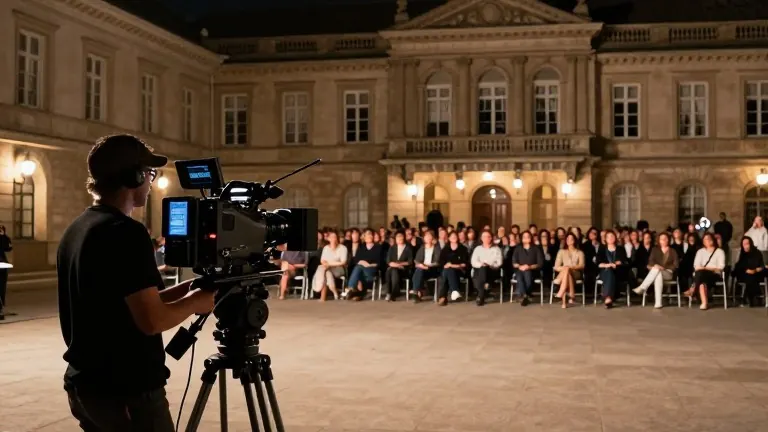
Cinematographer Tudor Vladimir Panduru revealed that capturing a single, unbroken shot often requires his crew to film a scene between twenty and forty times before a take is deemed usable. He shared this insight during a masterclass at the Jakarta World Cinema, where he dissected the specific demands of his ongoing collaboration with Romanian director Cristian Mungiu.
Panduru’s career in front of the lens began as a trainee under Oleg Mutu, the cinematographer for Mungiu’s early projects. He was introduced to Mungiu while still in that training phase. His second feature as a cinematographer was the film Graduation. That project established his international reputation, marking the start of a partnership that continues to define his visual style.
The session was moderated by Benh Zeitlin, the director of Beasts of the Southern Wild. Zeitlin described Panduru as a collaborator who brings a dimension to projects that exceeds the director’s initial imagination. Zeitlin expressed a desire to work with Panduru in the future, citing the cinematographer’s ability to enhance narrative truth through technical execution.
Panduru explained that Mungiu’s filmmaking philosophy keeps the camera low-profile. The goal is to allow audiences to interpret the action without being directed toward specific elements. This approach relies on directness and a critique of hypocrisy, themes that Panduru said are central to Romanian cinema. He stated that he selects projects based on shared values and personal interest in the subject matter, ruling out traditional action films unless they contain a strong social drama.
A major part of the discussion focused on the technical execution of plan-séquence, or long takes. Panduru noted that this method relies heavily on trust and synchronicity among the cast and crew. Instead of relying on editing to fix mistakes, the team must ensure all elements align in a single continuous take. This requirement for precision dictates the rehearsal process and the pace of production.
The masterclass included a technical breakdown of a twenty-minute take from the film R.M.N. The scene features more than one hundred people in a town hall. Panduru revealed that this daytime sequence was actually shot at night. He explained that focus pulling served as a form of editing within the static shot. This technique was essential to keep the large group in focus simultaneously without cutting away.
Panduru also discussed his work on The President’s Cake, a film with a distinct aesthetic from his Mungiu collaborations. Zeitlin noted that he was surprised to discover the same cinematographer had shot both projects. Panduru explained that the children’s fairytale nature of the project allowed for a more creative visual language. The natural landscape inspired him to use running jib arms and wheels, techniques he later applied to the film Fjord.
When discussing lighting for a family gathering scene in Fjord, Panduru showed a sequence that appeared to be shot during the magic hour before sunset. He explained that he blocked natural light from outside to extend the available time for the performances. This technique allowed the crew to maintain the desired mood without rushing the actors.
The event concluded with an analysis of a long take from Fjord. The camera follows actress Renate Reinsve as she searches the ground and then jumps into the sea. Mungiu wanted the entire emotional arc captured without cuts to preserve its impact. Panduru admitted that jumping into the freezing water alongside the actress was the most straightforward way to film the moment. He credited his team of grips for supporting him both in and out of the water, joking about the risk of losing the camera mid-jump.
Source: Variety
More Culture · National news · Report a business · Got a Story?