
Sunshine Protection Act Faces January Expiration as DST Clock Changes Return
The federal bill to make Daylight Saving Time permanent will lapse in early January 2027 unless the new congressional session acts, leaving residents in Kansas and Missouri with the traditional November clock shift.
By Jacob Reynolds ·
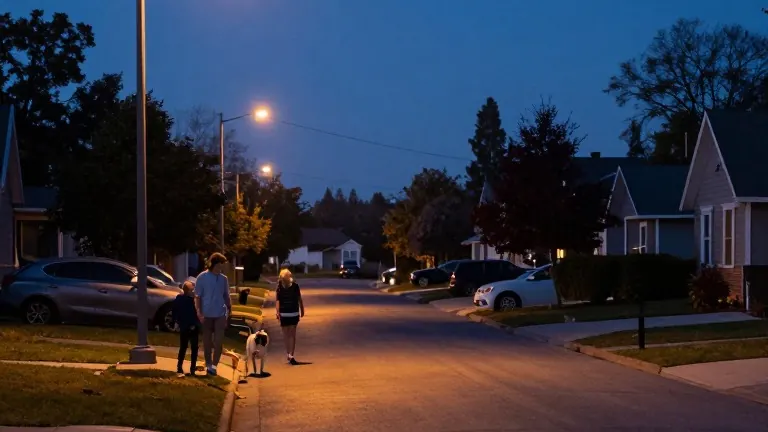
The first Sunday in November marks the annual end of Daylight Saving Time, a practice that will continue until March 2027 under current federal law.
The shift was first implemented during World War I to conserve energy, yet modern advocates argue that permanent daylight saving time better aligns human schedules with available daylight. Despite these arguments, public sentiment in the Kansas City area remained largely mixed. Sarah Hoppa, a resident of Prairie Village, welcomed the extra hour of sleep. In contrast, Chris Linnick of Olathe questioned the logic behind the current system. "I don't even see the reasoning we have it currently," Linnick stated.
Louis Gonzalez, a Kansas City resident, supported making the change permanent, citing safety and business efficiency. "We're driving home in the dark. It's not safe for the children," Gonzalez said. He argued that permanent daylight saving time would stabilize biological and business clocks. Sherri Perkins, who was visiting from another state, held a different view. "The sun's gonna rise when it's gonna rise," Perkins said, noting that humans created the clock system rather than the other way around.
State legislatures in the region have attempted to bypass the federal system. Kansas made a failed attempt to adopt permanent daylight saving time in 2025. In April 2026, the Missouri House of Representatives passed a trigger bill to make the time change permanent. However, this state law cannot take effect without approval from the U.S. Congress.
At the federal level, the Sunshine Protection Act passed the U.S. House of Representatives in July with the support of President Donald Trump. The bill stalled in the Senate before the November change occurred. The legislation faces a strict deadline, as it will expire in early January 2027 if Congress does not approve it before the new class of lawmakers takes office following Tuesday's midterm elections.
If the bill lapses, the standard schedule will resume. Residents across the country will move their clocks forward one hour on March 14, 2027.
Source: KSHB 41