Maine Senate Race Hinges on Local Needs
Voters decide on Tuesday whether to keep Sen. Susan Collins or elect Democrat Troy Jackson, with over $200 million spent in the contest.
By Ana Salazar ·
Maine voters go to the polls on Tuesday to determine the next U.S. senator for the state, a decision that will reshape the balance of power in Congress.
The race has cost more than $200 million, making it the most expensive per capita contest in the nation. Both parties have deployed heavy negative advertising and mailers, drawing participation from major political groups, corporations, and billionaire donors including Elon Musk. The financial influx reflects the high stakes involved in altering President Donald Trump’s final two years in office.
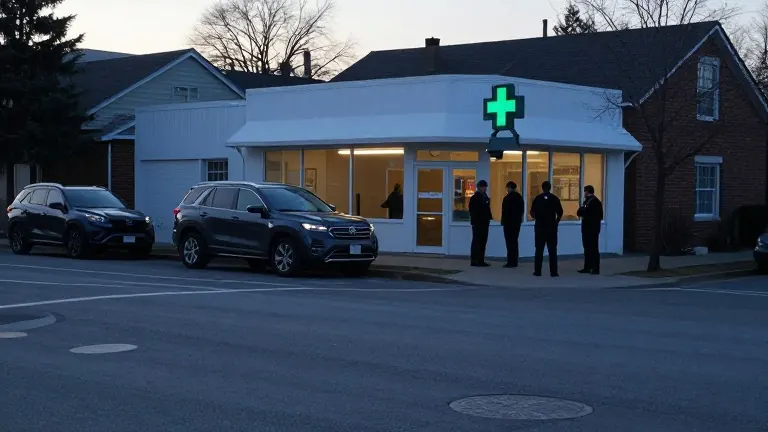
Republican Sen. Susan Collins seeks a historic sixth term. She has served as Maine’s longest-tenured senator for more than a century and currently chairs the Senate Appropriations Committee. Her campaign emphasizes her ability to direct federal funds to the state. In late August, Collins visited Kenduskeag to discuss a new library funded by a congressional earmark she secured. She noted that she has obtained funding for 45 fire stations across the state for reconstruction or renovation. Her central argument is that her seniority allows her to bring home money that might otherwise go to other states.
Democrat Troy Jackson challenges this view. He argues that Collins has failed to use her influence to check presidential overreach. Jackson, a former logger and state legislator who aligned with organized labor and the progressive wing of his party, was selected by Democrats in late July. He campaigned on a platform that includes Medicare for All and higher taxes on the wealthy. At an event in Brunswick, Jackson stated that Collins could have stopped the Iran war and tariffs but chose not to. He described his motivation by saying, “I owe Donald Trump nothing. I owe the billionaires nothing. I owe the people of Maine everything.”
The candidates have highlighted different aspects of Collins' political identity. Collins describes herself as an independent who votes without a straight party line. She campaigned with former Sen. Joe Manchin, who called her the soul of the Senate. Vice President JD Vance also visited Maine in late August to support Republican candidates. While Collins was not present, Vance praised her independence. However, Vance defended the administration’s trade war with Canada, a position that conflicts with Collins' efforts to seek tariff exemptions for Maine.
Collins has sought to keep the focus on local benefits, such as securing a release of New England home heating oil reserves to offset the impact of the Iran war. More than half of homes in Maine use heating oil as their primary heat source. Collins framed the administration's approval of this request as evidence of her influence. Jackson contends that such favors are unnecessary if the senator would stand firmly against the president. The election will determine whether voters prioritize Collins' local financial successes or Jackson's national progressive agenda.
The outcome depends on whether Maine residents remain focused on local economic gains or become angry enough at the federal government to replace their long-time representative. The result will send a signal to the rest of the country about the viability of independent-minded Republicans in a polarized era.
Source: Bangor Daily News