Midterm Vote Decides US Stance on Ukraine, Iran, and Aid
Voters will choose the congressional makeup that controls the purse strings for foreign policy, with potential shifts in support for Kyiv, funding for the Iran conflict, and the status of USAID.
By Jacob Reynolds ·
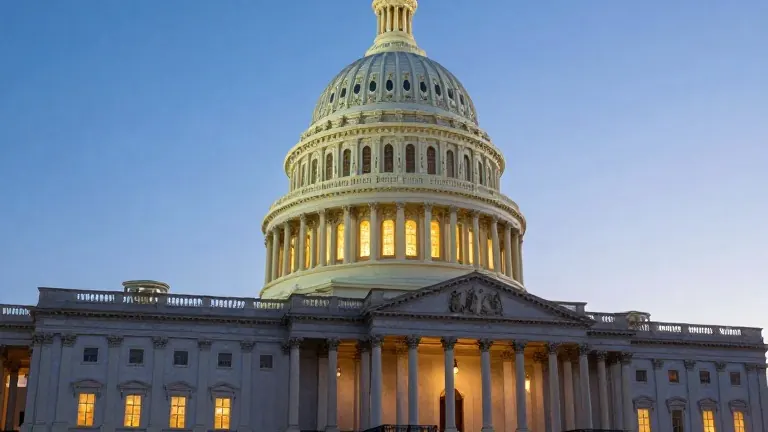
A two-thirds majority in both houses of Congress is the specific threshold required to override a presidential veto on foreign policy legislation. This legislative power becomes the central variable in the US midterm elections occurring this Tuesday, as the outcome will determine how much Congress can check President Donald Trump’s foreign policy agenda.
Under the current administration, US foreign policy has already diverged from previous norms. The United States recently suspended sanctions against Russia and reduced aid to Ukraine. President Trump has stated publicly that he has a better personal rapport with Russian President Vladimir Putin than with Ukrainian President Volodymyr Zelenskyy. Additionally, the administration shut down USAID, the agency responsible for foreign development assistance, shortly after the start of the second term. These moves followed a sharp reduction in support for global disease fighting projects.
The path to the current impasse began with the entry into a war with Iran alongside Israel on February 28. This action was taken without a formal declaration of war from Congress, a step required by the US Constitution. Democratic lawmakers voted against the conflict and passed a resolution to end hostilities, a measure that received support from some Republicans. The administration has largely ignored this legislative resolution since its passage.
Republicans currently hold majorities in both the House and the Senate, a position that has facilitated the president’s legislative agenda. However, recent polling indicates Democrats may gain control of the House and potentially the Senate. If Democrats secure a majority, they can push for new legislation to increase aid to Ukraine. They can also use their oversight powers to investigate the closure of USAID through hearings and by calling officials to account.
Michael O'Hanlon of the Brookings Institution noted that while Congress lacks the power to stop the war with Iran directly, it can prevent major escalation by refusing to fund the operation. Brandon Conradis, an editor at Bloomberg Government and former journalist, observed that Democrats criticize the current administration for insufficient support of Ukraine. He added that a strong Democratic majority could override a presidential veto on aid bills if supported by some Republicans.
The balance of power will determine the extent of US engagement in global conflicts and aid initiatives. The new congressional composition will influence legislative overrides, funding decisions, and oversight hearings regarding allies and adversaries. The executive branch will remain led by a Republican president, anchoring the overall direction of US foreign policy regardless of the midterm results.
Source: Deutsche Welle
More Politics · World news · Report a business · Got a Story?